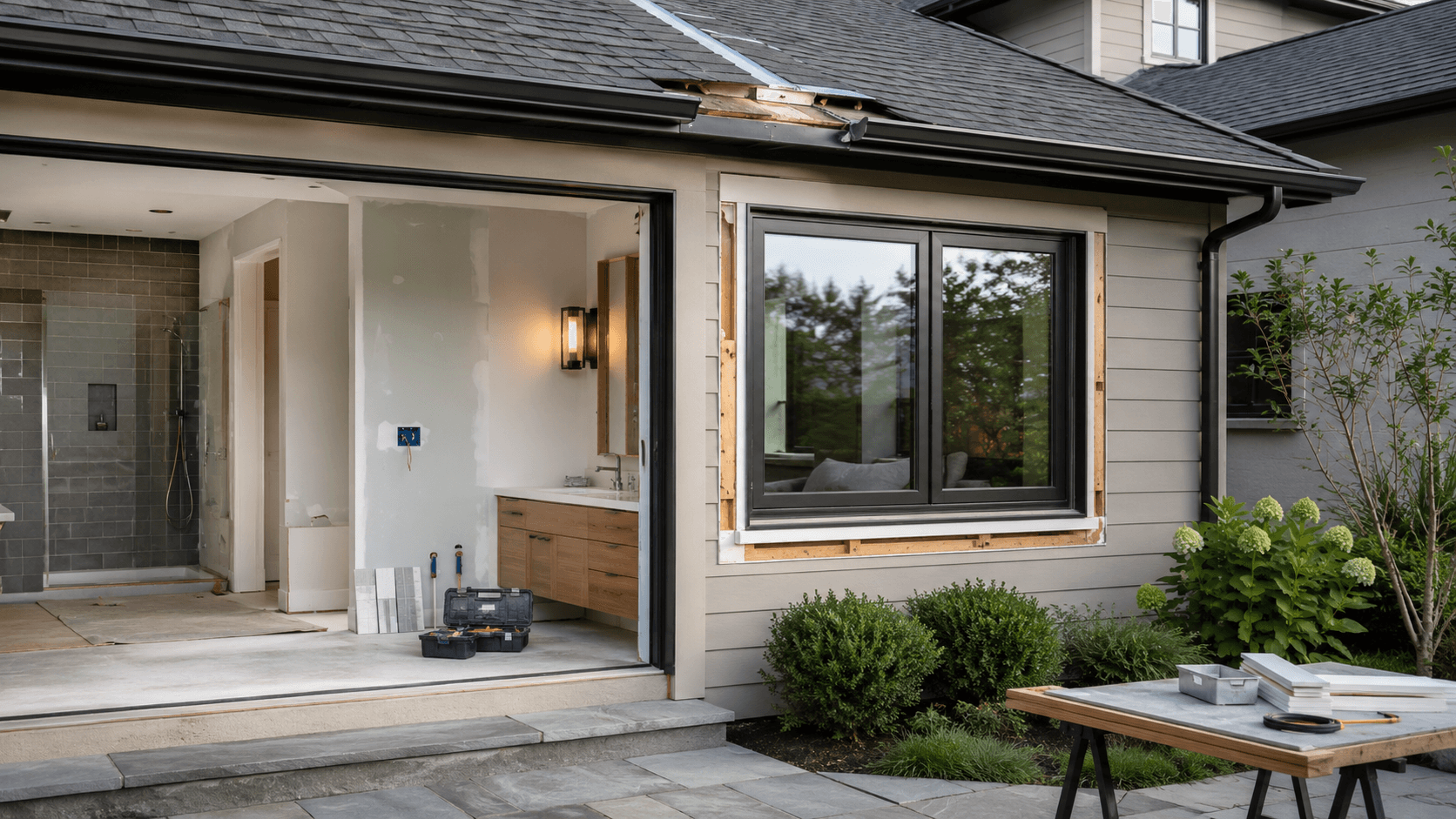
What Home Improvements Should You Do First? A Priority Guide for Homeowners
If you are wondering what home improvements should you do first, the answer usually starts with protecting the house before improving how it looks.
A bathroom may feel dated. The windows may be drafty. The patio door may be difficult to operate. The kitchen may need new cabinets. At the same time, there may be a small roof leak or signs of moisture around an exterior wall.
Those projects are not equal.
The best order is usually not based on which room is least attractive. It is based on what protects the house, affects safety, prevents future damage and makes later improvements easier.
A useful way to prioritize is to move from protection and function toward comfort and appearance.
Start With Anything That Can Damage the House
Water should usually move to the top of the list.
A slow leak may not feel urgent because the visible damage can look minor, but water can affect framing, insulation, drywall, flooring and finishes long before the problem becomes obvious.
Roof leaks, failed exterior sealants, deteriorated flashing, leaking windows, failed shower waterproofing and plumbing leaks can all create larger repairs if they are ignored.
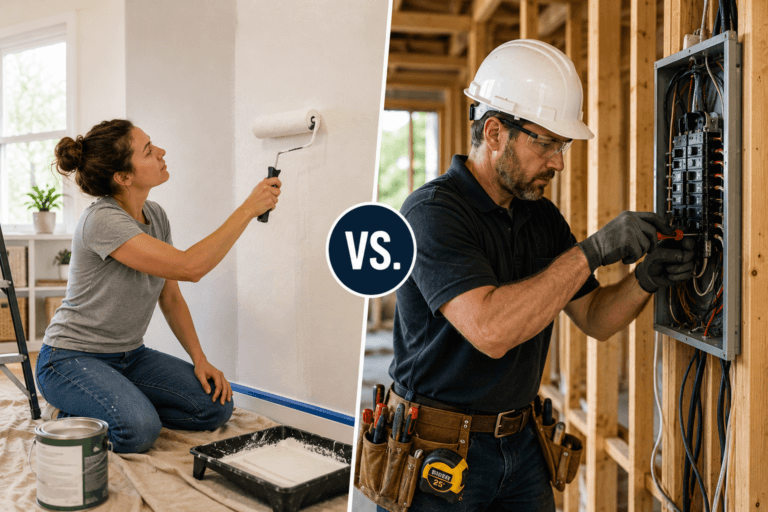
If you are choosing between repainting a bedroom and correcting an active leak, the leak wins.
The same is true for exterior openings. A window or door that allows water into the wall is no longer just an appearance or comfort issue.
The goal is simple:
Stop ongoing damage before spending money improving the surfaces around it.
Safety Comes Before Cosmetics
The next priority should be conditions that affect safety.
Loose electrical connections, damaged stairs, failing railings, serious structural movement, gas-related concerns and hazardous glazing locations deserve attention before decorative renovations.
Not every older condition is automatically dangerous, but known safety issues should not be postponed simply because they are less visible than a new kitchen or bathroom.
Doors also fall into this category when they no longer lock properly, frames are badly deteriorated or hardware is failing.
A front door that looks dated can wait.
A front door that cannot be secured reliably should not.
Structural Problems Should Be Understood Early
Cracks, uneven floors or sticking doors do not always mean a house has a serious structural problem.
But if there are indications of movement, significant deterioration or damaged framing, it is worth understanding the cause before investing heavily in finishes.
Imagine installing expensive tile over a floor that later needs structural repair.
Or replacing cabinets before discovering that a wall has to be opened to correct framing damage.
The same principle applies around enlarged door and window openings.
If structural changes are required, those decisions should usually be made before surrounding finishes are completed.
This does not mean every renovation needs an engineer.
It means structural uncertainty should be resolved early enough that you are not building new work over a problem that may need to be opened again.
Fix Building-Envelope Problems Before Interior Finishes
The building envelope includes the roof, exterior walls, windows, doors, waterproofing and other components that separate the interior from weather.
Problems in this layer can affect almost everything inside.
Drafty windows are uncomfortable, but leaking windows are more urgent.
An old patio door that still operates and keeps water out may be lower priority than a newer door with a failed sill condition.
Exterior deterioration should therefore be evaluated by performance, not age alone.
Look for signs such as:
- staining around windows and doors
- peeling paint associated with moisture
- soft or deteriorated wood
- recurring caulk failures
- water entering during storms
- condensation where it should not be
- visible gaps around exterior openings
Fixing these problems before interior remodeling helps protect the work you are about to spend money on.
Plumbing and Electrical Work Can Affect Project Order
Major plumbing and electrical changes should usually happen before expensive finishes are installed.
This matters especially in kitchens and bathrooms.
Relocating a sink, shower, toilet, range or major appliance may require opening walls and floors. New electrical circuits, lighting or ventilation can do the same.
If you are planning a bathroom remodel, for example, it makes little sense to finish tile and then discover that plumbing or electrical work still needs access behind it.
The same concept applies to broader home renovations.
Think about what needs to happen inside the walls before spending heavily on what goes over them.
Heating, Cooling and Ventilation Can Be More Important Than They Look
Comfort problems are sometimes blamed on windows or finishes when the actual issue is mechanical.
A room that is consistently hot or cold may have poor airflow, inadequate insulation, duct problems or solar exposure that needs to be addressed differently.
Bathrooms without adequate ventilation can develop recurring moisture problems even after beautiful new finishes are installed.
Before replacing multiple components, it is worth understanding what is actually creating the discomfort.
A new window will not correct an undersized HVAC system.
A new bathroom will not stay healthy if moisture has nowhere to go.
Then Look at Energy and Comfort Improvements
Once active water, safety, structural and major system problems are under control, energy and comfort upgrades become easier to prioritize.
This is where windows, exterior doors, insulation, shading and HVAC improvements often enter the discussion.
The best improvement depends on the weakness of the house.
If the windows are relatively modern but the attic has very little insulation, replacing the windows first may not provide the best return.
If a large west-facing glass door causes severe afternoon heat and glare, improving that opening may have an immediate comfort benefit.
If an older exterior door has damaged weatherstripping and significant air leakage, a repair may solve much of the problem without requiring full replacement.
This is why whole-house thinking is more useful than assuming one upgrade always saves the most energy.
Windows Should Be Replaced for a Reason
Windows are a common target because they are visible and heavily marketed.
But age alone does not always justify replacement.
Replacement makes more sense when windows have problems such as:
- failed insulated glass
- significant air leakage
- water intrusion
- deteriorated frames
- poor operation
- inadequate performance for the climate
- major appearance or function issues
If the existing windows are operating properly and the main complaint is glare or solar heat, window film, exterior shading or another targeted improvement may be worth considering before replacing the entire unit.
On the other hand, if several windows have failing seals, damaged frames and poor operation, addressing them may improve comfort, appearance and weather protection at the same time.
Exterior Doors Can Range From Simple to Structural
Replacing an exterior door can be a relatively straightforward improvement when the new unit fits the existing opening.
It becomes a very different project when the opening is enlarged.
A homeowner may start with the idea of replacing a patio slider and end up modifying wall framing, installing a new structural header, relocating electrical work, adjusting flooring and repairing exterior finishes.
That does not mean the project is a bad idea.
It means the priority should account for the complete scope, not just the door itself.
If a door is difficult to operate, leaks, no longer locks correctly or is badly deteriorated, replacement may deserve a high priority.
If the existing door works well and the desired change is primarily aesthetic, it can usually wait behind more important repairs.
Bathrooms Often Mix Need and Want
Bathrooms are interesting because they can contain both urgent problems and purely cosmetic ones.
A dated vanity is usually a want.
A shower with failed waterproofing is a need.
Loose tiles, persistent moisture, leaking plumbing, poor ventilation and damaged subflooring can move a bathroom much higher on the priority list.
If the room is simply old but functioning properly, it may make sense to address exterior, structural or mechanical issues first.
That distinction can prevent a common renovation problem:
spending heavily on a beautiful room while more important parts of the house continue to deteriorate.
Kitchens Are Often High-Impact but Not High-Urgency
Kitchen renovations can dramatically change how a home feels and functions.
They can also be among the most expensive interior projects.
If the kitchen is functional but dated, it usually belongs in the improvement category rather than the emergency category.
There are exceptions.
Damaged plumbing, unsafe electrical conditions, failing flooring, deteriorated cabinetry or poor ventilation can increase urgency.
But in many homes, the kitchen can wait while water, structural and exterior issues are corrected first.
This is useful because kitchen projects often expand.
Once cabinets are removed, homeowners may decide to move plumbing, add circuits, replace flooring, change lighting or modify walls.
A strong plan matters more than starting quickly.
Cosmetic Work Usually Comes Later
Paint, decorative trim, flooring changes and other appearance upgrades can make a house feel new, but they are generally safest after intrusive work is finished.
There is little value in repainting a wall that may need to be opened for plumbing.
New flooring should not be installed before a leaking exterior door is corrected.
Fresh drywall finishes should not cover an area where moisture is still entering.
Cosmetic improvements are often the most satisfying part of renovation, but they are also the easiest to damage if done too early.
One Project Can Make Another Project Easier
Priority is not only about urgency.
Sometimes doing one project first reduces the cost or disruption of another.
If flooring will eventually be replaced throughout a room, that may be a good time to coordinate a patio-door threshold.
If a bathroom is already being opened for plumbing work, it may be more efficient to make planned electrical or ventilation improvements at the same time.
If exterior siding is being replaced, window flashing and trim may be easier to address during the same project.
This is where sequencing can save money.
The question becomes:
What work will be easier or less expensive if it is coordinated with something else already being opened?
Think About How Long You Plan to Stay
Your priorities may change depending on whether you expect to live in the home for two years or twenty.
If you plan to stay long term, comfort and personal preference deserve more weight.
You may decide that a large patio opening, premium bathroom or custom kitchen is worthwhile because you will use it for years.
If you expect to sell relatively soon, basic repairs, maintenance and broad buyer appeal may become more important than highly personalized upgrades.
That does not mean every renovation should be judged solely by resale value.
A home is also something you live in.
But the expected ownership period can help determine how much it makes sense to spend on discretionary improvements.
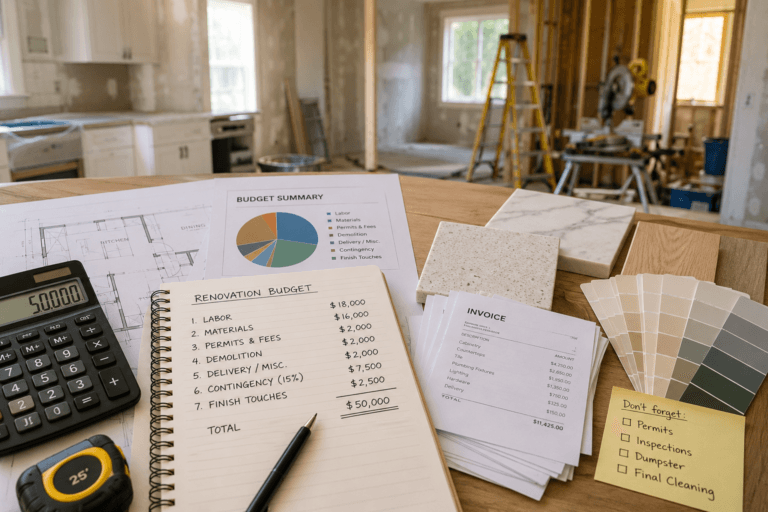
Budget Should Be Divided Between Needs and Wants
A useful renovation budget often has two categories.
The first is work the house needs.
The second is work you want.
Needs may include:
- water intrusion
- failing building components
- safety issues
- structural repairs
- essential plumbing or electrical work
- damaged windows or doors
- major mechanical problems
Wants may include:
- larger openings
- upgraded finishes
- luxury fixtures
- cosmetic remodeling
- premium materials
- aesthetic changes
Many projects contain both.
A bathroom may need new waterproofing but not a luxury vanity.
A patio door may need replacement but not necessarily a twelve-foot multi-slide system.
Separating the two can make budgeting decisions much clearer.
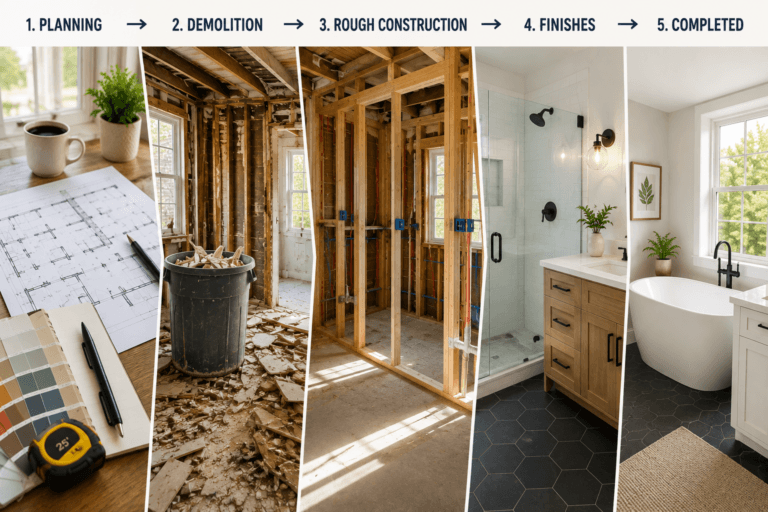
A Practical Priority Order
When deciding what home improvements should you do first, this general order can help separate urgent repairs from projects that can wait.
| Priority | Type of Work | Examples |
|---|---|---|
| 1 | Stop active damage | Roof leaks, plumbing leaks, water intrusion |
| 2 | Address safety | Electrical hazards, unsafe stairs, security problems |
| 3 | Resolve structural issues | Damaged framing, significant movement, failed supports |
| 4 | Protect the building envelope | Roof, exterior walls, leaking windows and doors |
| 5 | Correct major systems | Plumbing, electrical, HVAC, ventilation |
| 6 | Improve comfort and efficiency | Insulation, windows, doors, shading |
| 7 | Improve function | Bathroom layouts, kitchen improvements, storage |
| 8 | Upgrade appearance | Flooring, paint, finishes and cosmetic remodeling |
This is not a rule that every homeowner must follow exactly.
It is a way to avoid spending money backward.
What If Nothing Is Actually Wrong?
Sometimes the house is in good condition and the decision is simply about where improvement dollars will have the greatest impact.
In that case, prioritize the areas you use most.
A family that spends most of its time in the kitchen and backyard may get more daily value from improving the kitchen-to-patio connection than remodeling a rarely used guest bathroom.
Someone working from home may value better windows, shading or acoustic improvements.
A household with one outdated bathroom serving several people may benefit most from improving that room first.
When there are no urgent repairs, daily usefulness becomes one of the best ways to rank projects.
Avoid Starting Too Many Projects at Once
One of the easiest ways for a renovation to become overwhelming is to open several areas of the house simultaneously.
Projects interact.
The bathroom needs a plumber.
The new patio door needs structural work.
The kitchen needs electrical upgrades.
The flooring contractor is waiting for both of them to finish.
Suddenly a collection of manageable improvements becomes one large construction project.
There are times when bundling work is efficient, particularly when trades or finishes overlap.
But it should be intentional.
If budget or management capacity is limited, completing one meaningful project before beginning another can reduce disruption and make costs easier to control.
A Simple Question Can Help You Decide
When you are unsure which improvement should come first, ask:
What happens if I wait another year?
If waiting could lead to water damage, safety problems or larger repairs, move the project up the list.
If waiting mainly means living with an outdated color or style for another year, the project can probably wait.
Then ask a second question:
Will doing this now make another future project easier or harder?
Those two questions eliminate a surprising amount of uncertainty.
Bottom Line
The best home improvement to do first is usually not the most exciting one.
Start by protecting the house from active damage. Address safety and structural concerns. Correct major building-envelope and system problems before covering them with new finishes.
Once the home is sound, shift toward comfort, efficiency and function.
After that, cosmetic improvements can take priority.
Windows, doors, bathrooms and kitchens can all be worthwhile investments, but their urgency depends on what is actually happening in the home.
A leaking window is different from an outdated window.
A failed shower is different from an unfashionable shower.
A patio door that no longer locks is different from one you simply wish were larger.
Prioritizing by risk, function and future disruption helps ensure that each renovation dollar supports the next one instead of creating work that later has to be undone.
Planning Your Next Home Project?
Explore Builzee’s guides for Windows, Doors, Bathrooms and other home improvement projects to compare options before you start.