10 Home Renovation Mistakes That Cost Homeowners the Most
Intro
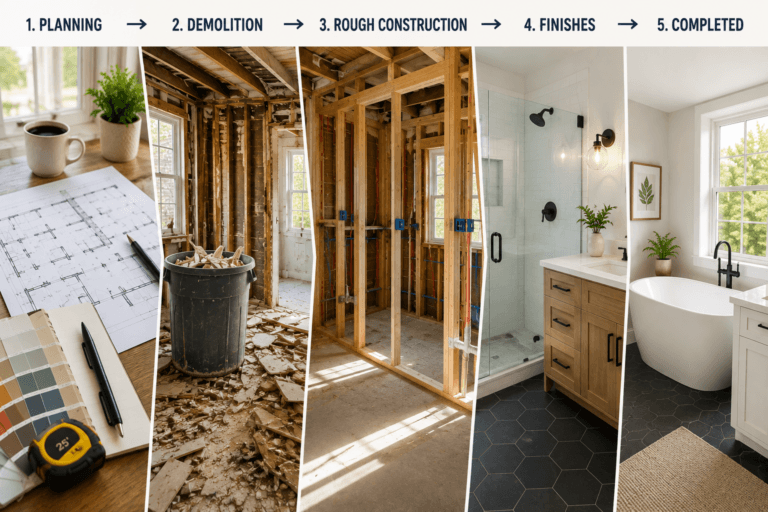
Home renovation mistakes can become expensive when poor planning, incomplete scopes, unrealistic budgets or late decisions create delays and rework. They usually start earlier, with poor planning, incomplete scopes, unrealistic budgets, or decisions made before the project is fully understood.
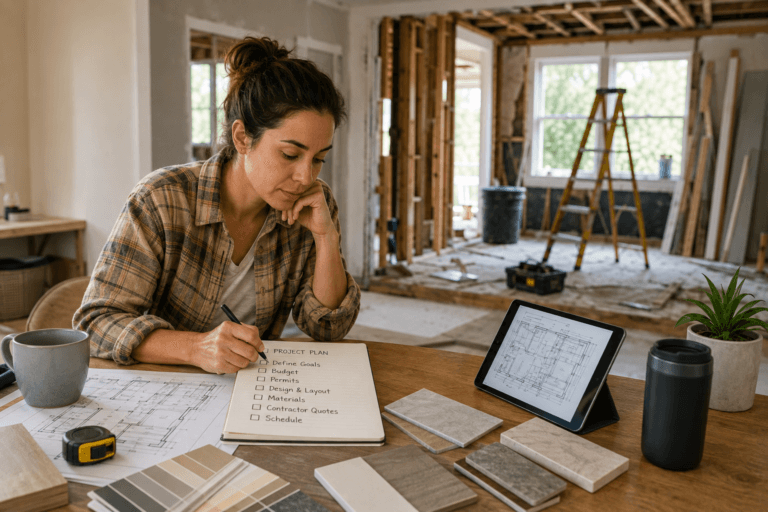
1. Starting Without a Complete Scope
Changing direction after work starts usually means added labor, wasted material, delays and change orders. Before construction begins, define finishes, quantities, locations and responsibilities as clearly as possible. The more complete the scope is up front, the easier it is to compare bids and control costs.
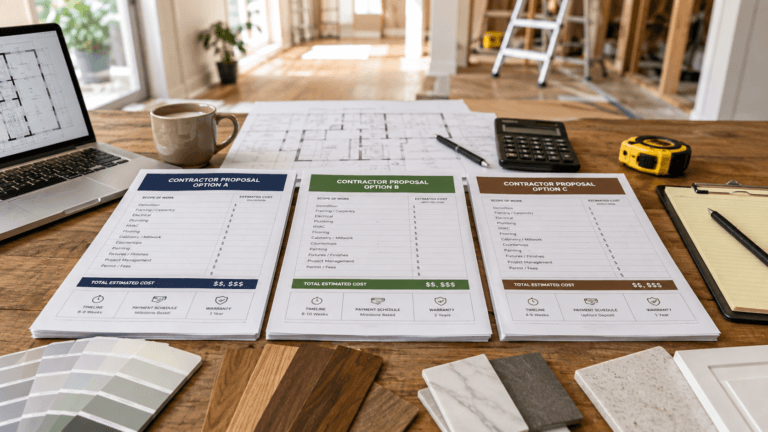
2. Choosing the Lowest Bid Without Comparing Scope
A cheaper proposal may simply exclude work that another contractor included. Compare what is actually covered, including demolition, disposal, permits, protection, finish work and cleanup. A low number is not a bargain if missing items are added back later as change orders.
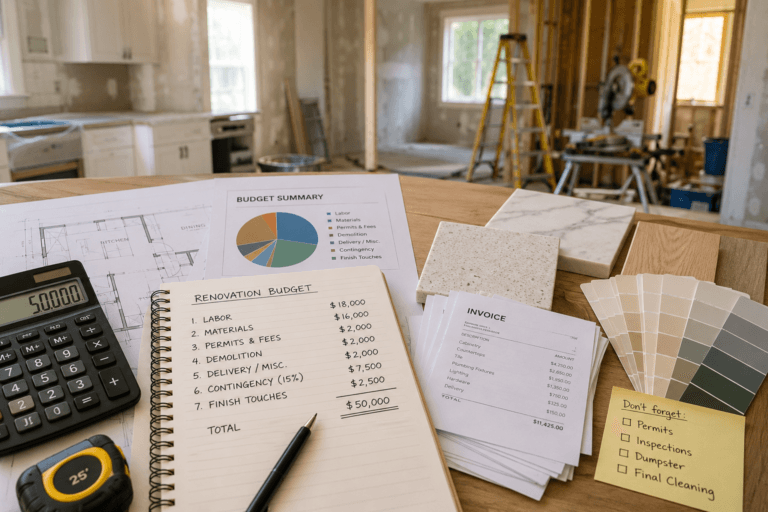
3. Underestimating the Contingency Budget
Hidden damage, code corrections, material changes and unforeseen conditions are common during renovation. Older homes especially can reveal issues once walls, floors or ceilings are opened. Keeping a contingency reserve gives you room to deal with surprises without disrupting the entire project.
4. Buying Materials Before Confirming Compatibility
Dimensions, substrates, clearances, finishes, hardware and installation requirements all need to work together. Ordering products too early can lead to returns, restocking fees or materials that simply cannot be installed as planned. Confirm field conditions and compatibility before making major purchases.
5. Ignoring Permits and Code Requirements
Unpermitted work can create delays, failed inspections, fines and problems during resale. Permit requirements vary by location and project type, so assumptions can be risky. Check with the local building department before work starts, especially for structural, electrical, plumbing or mechanical changes.
6. Making Changes After Construction Starts
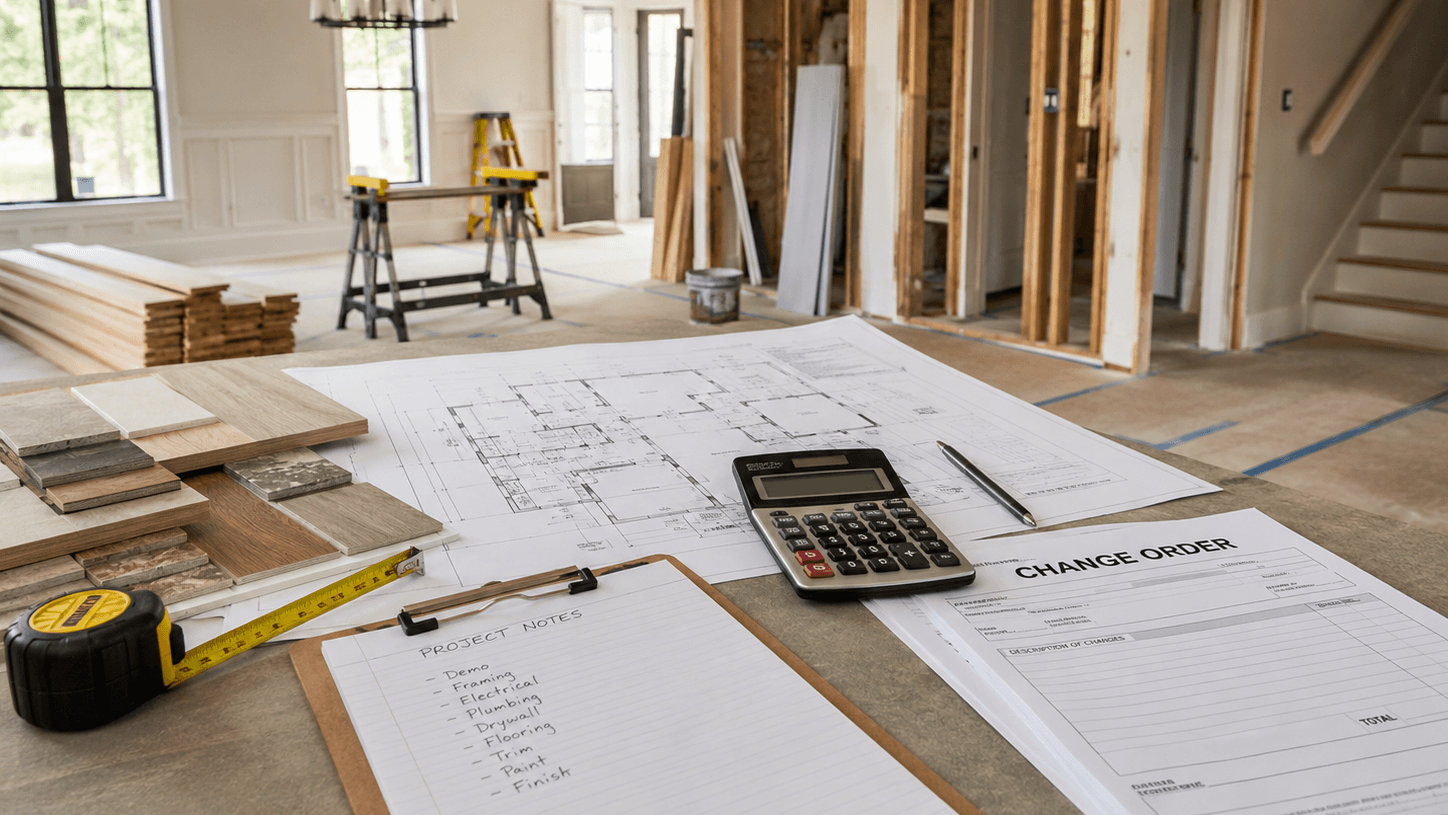
Late changes are usually more expensive than decisions made during planning. Once materials are ordered or work is installed, changing direction may require demolition, reordering and additional labor. Finalizing major design and product decisions early can reduce both cost and schedule impacts.
7. Covering Up Water or Structural Problems
New finishes do not fix leaks, rot, movement or damaged framing. Installing flooring, drywall or cabinets over an unresolved problem can hide the issue temporarily while allowing it to get worse. Fix the source first, then repair the affected materials before adding new finishes.
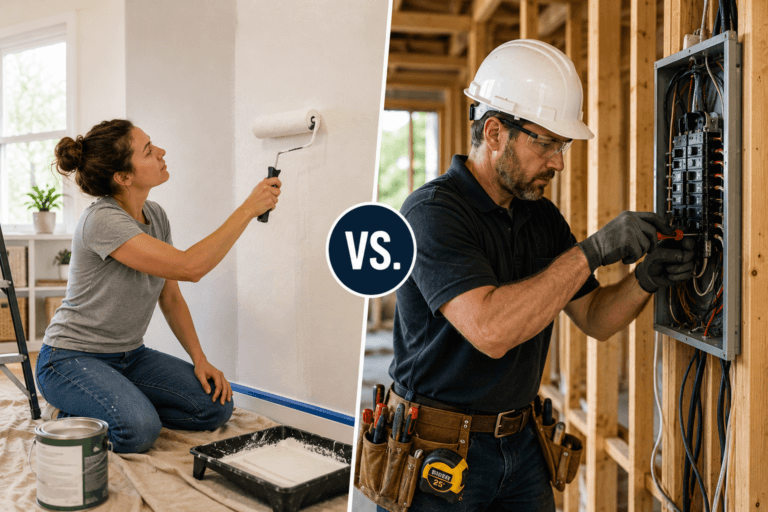
8. Attempting DIY Work Beyond Your Skill Level
DIY can save money, but mistakes involving waterproofing, electrical, plumbing, roofing or structure can become expensive very quickly. Some work also requires permits, inspections or licensed trades. Take on projects that match your experience and bring in qualified help when the consequences of failure are high.
9. Focusing Only on Appearance
A beautiful finish over a poorly installed system is still a bad renovation. Waterproofing, flashing, fastening, ventilation and proper substrate preparation matter even when they are hidden after construction. Good projects balance appearance with performance and durability.
10. Not Documenting the Project
Keep contracts, proposals, product information, warranties, permits, approvals, photos and change orders organized throughout the job. Good records help resolve disputes, support warranty claims and make future repairs or renovations easier. Photos taken before walls and finishes are closed can be especially useful later.
Bottom Line
Renovations rarely go exactly as planned, so good preparation matters. Clear scopes, realistic budgets and early decisions can reduce unnecessary changes and make problems easier to manage when they come up.
A successful renovation usually comes down to planning, realistic expectations and clear communication before work begins. Spending more time making decisions early can prevent much larger costs once construction is underway.
Planning a Home Project?
Explore Builzee’s guides to compare materials, understand installation, evaluate costs and make better decisions before the work begins.