
How to Unclog a Toilet: Simple Methods to Try Before Calling a Plumber
If you’re trying to unclog a toilet, stop flushing before the bowl overflows. A flange-style toilet plunger clears many ordinary paper-and-waste blockages; a toilet auger is the next option for a stubborn clog in the trap.
The safest method depends on whether the water is rising, draining slowly, or backing up alongside other fixtures. Start with the immediate water-level problem, not the strongest tool you can find.
Stop the overflow before trying to clear the clog
Do not flush again. If water continues entering the bowl, close the shutoff valve behind the toilet. If needed, carefully remove the tank lid and ensure the flapper is closed. Protect the floor, wear gloves, and remove some water if the bowl is near the rim.
What the Water Level Tells You
Different symptoms call for different next steps.
| What you see | Likely situation | First action |
|---|---|---|
| Water rising toward rim | Trap is not passing water | Shut off water and avoid another flush |
| Water slowly drains over several minutes | Partial blockage, often paper or waste | Use a flange plunger before next use |
| Water barely moves despite plunging | Stubborn obstruction or object in trap | Use closet auger carefully; stop if a hard object is suspected |
| Other sinks or tubs gurgle or back up | Possible shared branch or sewer issue | Stop using affected fixtures; seek professional diagnosis |
| Toy or toothbrush may be trapped | Hard foreign object | Retrieve if reachable; avoid pushing it farther down |
How to Unclog a Toilet With a Flange Plunger
A toilet plunger has a projecting flange that helps seal the curved toilet outlet. A flat sink plunger generally makes a poorer seal.
Check the water level
The rubber cup needs enough water to cover it, but not so much that plunging causes overflow. Remove or add water cautiously as needed.
Seat the flange in the outlet
Center the flange over the toilet opening. Keep the cup fully seated to form a tight seal.
Push gently on the first stroke
Release trapped air without spraying water or lifting the seal.
Work with controlled strokes
Push and pull several times while maintaining the seal. Water movement in both directions helps loosen a soft obstruction.
Check and test once
Lift the plunger and watch for drainage. If the level returns to normal, use a cautious, controlled test, stopping immediately if water rises again.

When the Plunger Is Not Enough: Use a Toilet Auger
A closet auger is made to pass through the toilet trap and usually includes a protective sleeve for the porcelain. It is different from an ordinary sink drain snake.
How to feed it correctly
Retract the cable into its sleeve, position the curved end at the bowl outlet, and slowly rotate the handle while feeding the cable into the trap. If you feel resistance, work gently rather than forcing it.
Withdraw the auger while rotating as directed. Place a bucket or towels nearby for dirty water. Once removed, test the toilet carefully. If a hard item is stuck, aggressive augering can wedge it more tightly or scratch the bowl.

What to Try Without a Plunger
If a soft paper clog is only partial, patient waiting may help. Warm tap water and dish soap can sometimes assist, but neither is a substitute for clearing an actual obstruction.
Allow the level to fall
Wait for a partial clog to drain enough that you can work without overflowing the bowl.
Dish soap + warm water
Use ordinary liquid dish soap and non-boiling hot tap water, leaving ample room in the bowl. Give it time to soften paper or organic matter.
Return to proper tools
If drainage does not improve, use a flange plunger or toilet auger. Do not repeatedly flush or add progressively stronger cleaners.
When to Stop DIY Attempts and Call a Plumber
Stop if the blockage seems beyond the toilet
Several slow drains, shower backup when flushing, recurring clogs, or sewage in another fixture point toward a shared line or sewer problem. Stop using affected fixtures.
Stop if normal tools fail
If a good flange-plunger seal and a cautious auger attempt do not restore flow, or if a rigid object is lodged, professional diagnosis is preferable to force.
Common mistakes to avoid
- Using a flat sink plunger that cannot seal the outlet.
- Plunging without enough water around the cup.
- Breaking the seal on every pump.
- Flushing again before the obstruction is removed.
- Forcing a metal snake against the porcelain.
- Assuming multiple slow fixtures mean an isolated toilet clog.
What not to flush and what to watch
Toilets are designed for human waste and toilet paper. Paper towels, wipes, cotton swabs, floss, feminine hygiene products, diapers and cat litter do not behave like ordinary toilet paper in the trap or downstream plumbing. Even wipes advertised as flushable can contribute to blockages.
Teach children not to flush toys or other small objects. If the bowl suddenly becomes slow after an item disappears, avoid repeatedly operating the flush in the hope that the item will pass.
What if the flush is weak but the drain is clear?
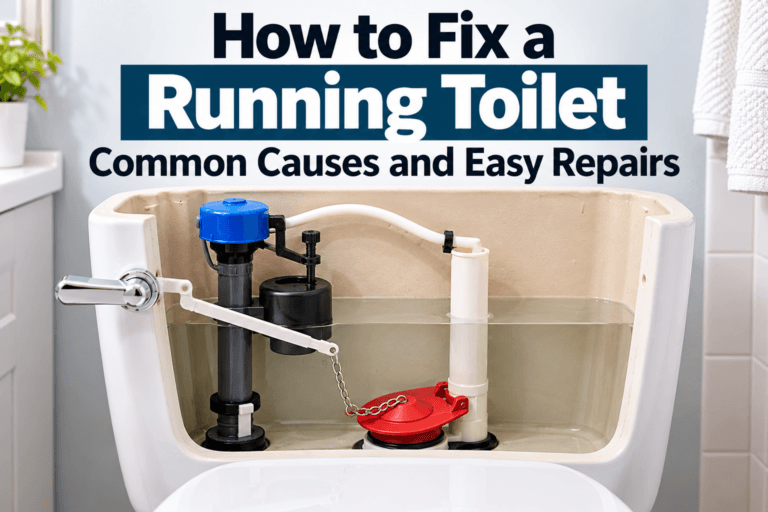
A weak flush may involve the tank water level, flapper, fill valve, or partial obstruction rather than the same localized bowl clog. Do not keep plunging a toilet that is draining normally yet failing to flush with adequate power. Review the tank components and the Running Toilet guide as a separate diagnosis.
When several fixtures react at once
Gurgling in a shower, water backing into a bathtub, or more than one fixture draining slowly can point beyond the toilet trap. Household wastewater can pose health risks. Stop using the fixtures involved and have the shared branch, sewer or septic system evaluated rather than adding water to the line.
Frequently asked questions
Questions before you start
Can I unclog a toilet without a plunger?
For a soft partial clog, waiting or warm tap water with a little dish soap may help, but a flange plunger is more reliable and boiling water should be avoided.
What if the toilet unclogs and blocks again?
Recurring clogs may indicate an incomplete clearing, a trapped object, a flushing issue or a shared drain problem; investigate rather than repeatedly plunging.
Can I use a standard drain snake in a toilet?
A purpose-made closet auger is a better choice because it is shaped for the toilet trap and includes features that help protect the bowl.
Clear the blockage without making the overflow worse
For a typical toilet-paper clog, a flange plunger is the best starting tool. Move to a closet auger only when needed and stop if the symptoms point to a foreign object or downstream plumbing issue.