
How to Plan a Home Renovation: A Step-by-Step Checklist
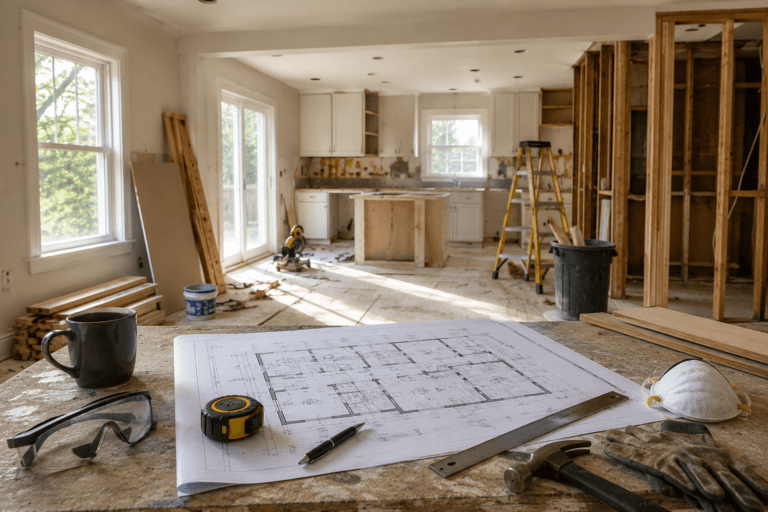
A successful renovation usually starts long before demolition begins.
Learning how to plan a home renovation means defining what you want to change, building a realistic budget, checking permits, selecting materials, comparing contractors and preparing for the unexpected.
Good planning does not eliminate every problem, but it can reduce delays, change orders, budget surprises and decisions made under pressure.
1. Define What You Actually Want to Change
Start by identifying the problem you are trying to solve.
Instead of beginning with finishes, ask what is not working in the current space.
Examples might include:
- poor layout
- lack of storage
- outdated finishes
- water damage
- insufficient lighting
- inefficient windows
- worn flooring
- accessibility concerns
- inadequate electrical capacity
For bathroom projects, start by working through the bathroom planning and layout before selecting finishes or fixtures.
The clearer the problem is, the easier it becomes to define the right project.
A renovation should solve a need, not simply add more work.
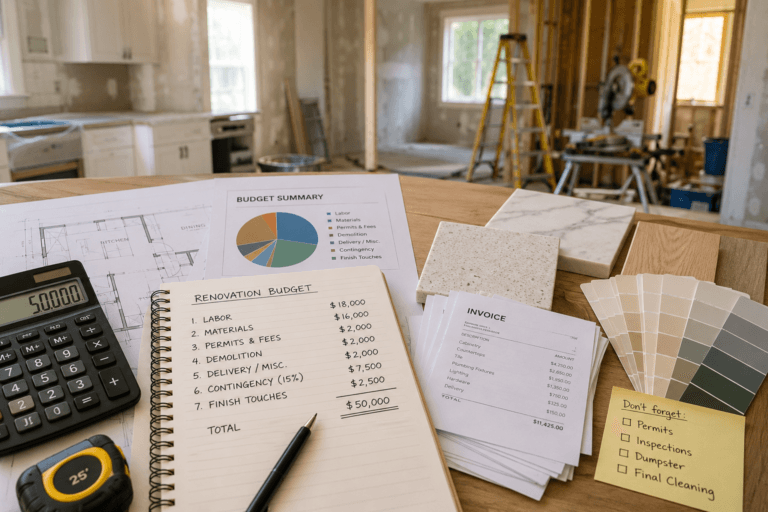
2. Establish a Realistic Budget
Set a preliminary budget before you start selecting products.
The budget should include more than visible materials.
Consider:
- labor
- materials
- demolition
- disposal
- permits
- design
- engineering
- delivery
- temporary protection
- finish work
- taxes
- contingency
Renovation costs can change once walls are opened or existing conditions are exposed, so it is wise to leave room for unexpected work.
GOOD TO KNOW
A budget with no contingency can become difficult to manage as soon as the first unforeseen condition appears.
3. Separate Must-Haves From Nice-to-Haves
Create two lists.
Must-haves are items necessary for the project to succeed.
These may include:
- fixing leaks
- correcting unsafe electrical work
- replacing failed windows
- improving ventilation
- repairing damaged framing
- updating plumbing
Nice-to-haves may include:
- premium fixtures
- specialty tile
- upgraded hardware
- custom storage
- decorative lighting
- luxury finishes
This distinction becomes useful when you need to reduce cost without compromising the main purpose of the renovation.
4. Check Permit Requirements Early
Permit requirements should be checked before the project is fully priced or scheduled.
Depending on the jurisdiction, permits may be required for:
- structural changes
- electrical work
- plumbing
- mechanical work
- additions
- window or door changes
- major remodels
Waiting until construction begins to investigate permits can create delays.
For more detail, see Builzee’s Home Renovation Permits guide.
5. Decide What You Can DIY
Some work may be suitable for homeowners, while other work is better left to experienced professionals.
DIY may make sense for:
- painting
- simple hardware replacement
- minor drywall patching
- basic shelving
- some flooring
- cleanup
- simple finish work
Professional help is usually more appropriate when the project involves:
- structural work
- electrical systems
- plumbing
- waterproofing
- roofing
- complex installations
- permits and inspections
See Builzee’s DIY vs. Hiring a Contractor guide for a deeper comparison.
6. Develop a Clear Scope of Work
Before requesting contractor quotes, define what the project should include.
A scope of work may identify:
- demolition
- framing
- electrical
- plumbing
- mechanical work
- insulation
- drywall
- waterproofing
- tile
- cabinetry
- countertops
- flooring
- painting
- finish work
- cleanup
The goal is to make sure contractors are pricing the same project.
Without a clear scope, one proposal may include work another leaves out.
7. Get and Compare Contractor Quotes
Do not compare proposals using the total price alone.
Review:
- scope
- exclusions
- allowances
- materials
- labor
- permits
- schedule
- payment terms
- change-order process
- warranty
A lower quote may simply contain less work.
See Builzee’s How to Compare Contractor Quotes Before Starting a Home Renovation guide for a detailed checklist.
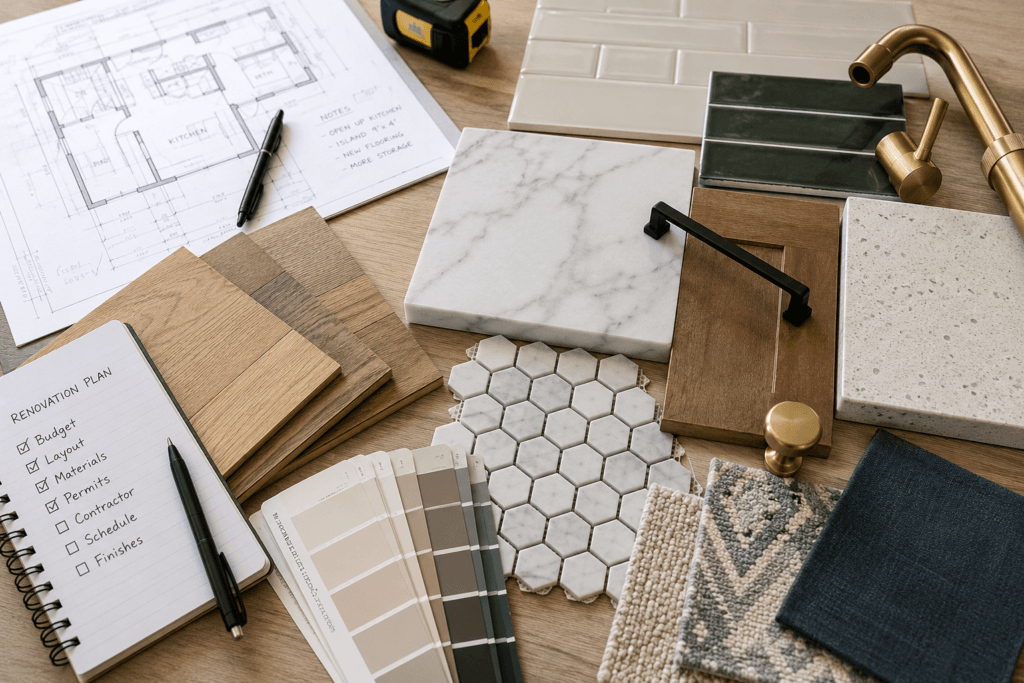
8. Select Materials Before Construction
Late material decisions can affect both cost and schedule.
Whenever possible, make major product selections before work begins.
Examples include:
- windows
- doors
- flooring
- tile
- plumbing fixtures
- cabinets
- countertops
- appliances
- lighting
- hardware
For bathrooms, selecting vanities, sinks, faucets and other fixtures early also helps coordinate cabinetry, plumbing and electrical rough-ins.
Early selections help contractors verify pricing and identify potential lead-time problems.
They also reduce rushed decisions during construction.
9. Understand Lead Times
Not every product is available immediately.
Some items may require several weeks or months to manufacture or deliver.
Potential long-lead items include:
- custom windows
- specialty doors
- cabinets
- countertops
- shower glass
- appliances
- specialty plumbing fixtures
- custom metalwork
Ask about lead times before setting the construction schedule.
Starting demolition before critical materials are available can leave a project incomplete for longer than necessary.
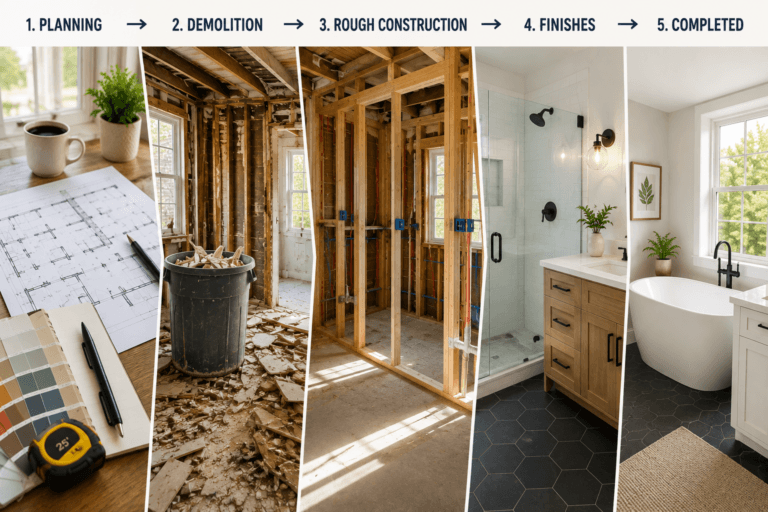
10. Build a Realistic Schedule
A renovation schedule should include more than the time spent physically installing materials.
The project may require time for:
- design
- permitting
- ordering
- fabrication
- demolition
- rough inspections
- installation
- finish work
- final inspections
- corrections
Some trades also depend on other work being completed first.
For example, tile cannot begin until the substrate and waterproofing are ready.
A schedule that ignores sequencing can create unnecessary delays.
11. Prepare for Change Orders and Hidden Conditions
Renovation work frequently involves existing conditions that cannot be fully seen before demolition.
Examples include:
- damaged framing
- outdated wiring
- plumbing corrosion
- mold
- water damage
- uneven floors
- hidden ductwork
- structural conflicts
Not every unexpected condition means something went wrong.
The important part is having a clear process for handling changes.
Ask how change orders will be documented, priced and approved before construction begins.
12. Protect the Rest of the Home
Renovation can create dust, debris, noise and traffic through areas that are not being remodeled.
Plan protection before demolition.
This may include:
- floor protection
- dust barriers
- temporary doors
- furniture relocation
- HVAC protection
- covered pathways
- secure material storage
A clean project is easier to manage and reduces unnecessary damage to areas outside the work zone.
13. Plan for Inspections and Closeout
The project is not finished simply because the visible work looks complete.
Depending on the scope, closeout may include:
- final inspections
- permit sign-off
- correction items
- testing
- cleanup
- warranty information
- product manuals
- spare materials
- final payment
- punch-list completion
Keep project documents together so they can be referenced later.
Home Renovation Planning Checklist
Use this checklist before construction begins:
| Planning Item | Complete |
|---|---|
| Define project goals | ☐ |
| Establish budget | ☐ |
| Add contingency | ☐ |
| Identify must-haves | ☐ |
| Check permit requirements | ☐ |
| Decide DIY vs contractor work | ☐ |
| Develop scope of work | ☐ |
| Compare contractor quotes | ☐ |
| Select major materials | ☐ |
| Confirm lead times | ☐ |
| Build project schedule | ☐ |
| Establish change-order process | ☐ |
| Plan home protection | ☐ |
| Confirm inspection requirements | ☐ |
Common Planning Mistakes to Avoid
Even well-intentioned projects can become difficult when planning is rushed.
Common mistakes include:
- starting demolition before materials are ready
- choosing finishes without checking the budget
- assuming permits are unnecessary
- comparing contractor quotes only by total price
- making major design decisions during construction
- ignoring lead times
- failing to plan for hidden conditions
For more examples, see Builzee’s 10 Home Renovation Mistakes That Cost Homeowners the Most.
Should You Prioritize ROI?
Not every project needs to be selected based on resale value.
But if budget is limited, it can help to understand which improvements may offer broader buyer appeal.
Some projects improve daily comfort but recover less of their cost at resale. Others may produce stronger value because they improve curb appeal or address visible problems.
See Builzee’s Best Home Improvement ROI in 2026 guide for current planning data.
Bottom Line
Understanding how to plan a home renovation is one of the best ways to reduce avoidable problems before construction begins.
Start with clear goals, establish a realistic budget, check permits, define the scope, make important material selections early and understand who is responsible for each part of the project.
A well-planned renovation is easier to price, easier to schedule and easier to manage when unexpected conditions appear.
Planning a Home Project?
Explore Builzee’s practical guides for renovation planning, materials, costs, installation and project decisions.