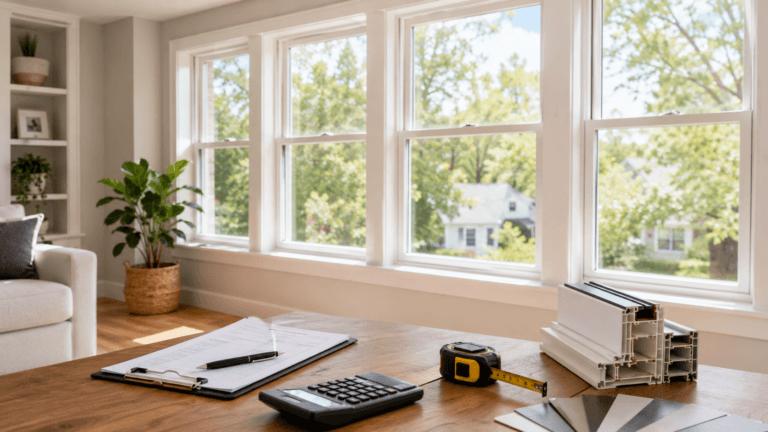
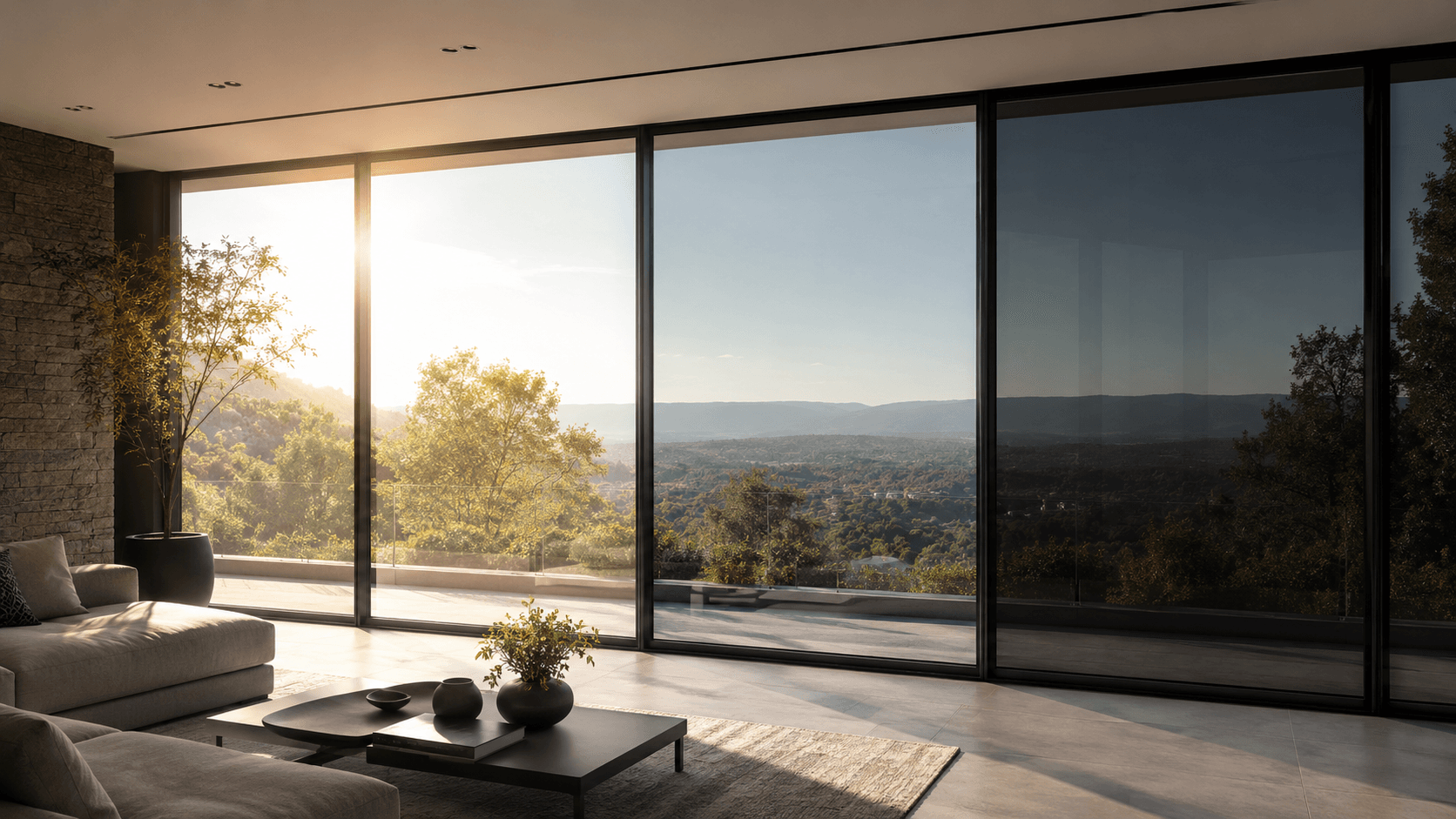
Home Window Tinting: Pros, Cons, Warranty Risks & Smart Glass Alternatives
Home window tinting can reduce glare, improve privacy and help control solar heat, but it is not a universal fix for every window problem. The right film depends on the glass you already have, the problem you are trying to solve and whether the film is compatible with the existing window and warranty.
That is why residential window film should be treated as a glazing decision, not just a cosmetic add-on. Modern windows often include insulated glass, Low-E coatings and manufacturer-specific limitations that can affect whether aftermarket tint makes sense.
Window tint is a tool. It can be useful, but it should be matched to the glass and the problem, not applied as a generic fix for every uncomfortable room.
Why Homeowners Consider Window Tinting
Glare
Direct sunlight on televisions, computer screens and seating areas is often the most immediately noticeable issue window film can improve.
Heat gain
West- and south-facing rooms may overheat in the afternoon. Solar-control films can reduce part of the heat entering through the glass.
Privacy or fading
Some homeowners want more daytime privacy or better UV filtering to help reduce one contributor to interior fading.
The key is identifying the actual problem first. A room that is too hot may need a different solution than a room that is simply too bright. A bathroom that needs privacy may need decorative or frosted film rather than a dark solar film.
Common Types of Residential Window Film
| Film type | Main purpose | What to watch for |
|---|---|---|
| Solar-control film | Reduce heat and glare | Can change visible light, reflectivity and room appearance |
| Ceramic film | Heat and UV control with a more neutral look | Product quality and performance ratings still vary |
| Privacy / decorative film | Obscure views or add pattern | Usually not chosen mainly for energy performance |
| Safety / security film | Help retain broken glass after impact | Does not make glass unbreakable and may depend on perimeter attachment details |
The marketing phrase “window tint” can therefore refer to very different products. That is one reason comparing only darkness or appearance is not enough. Ask for product data and confirm what the film is actually designed to do.
The Benefits Can Be Real When the Film Is Matched Correctly
- Glare reduction: often the most obvious improvement in sun-exposed rooms.
- Solar control: some films reduce part of the solar energy entering through the glass, which can improve comfort.
- UV filtering: useful for furniture, flooring and artwork, even though it will not eliminate fading entirely.
- Daytime privacy: certain films can reduce visibility into a home, especially when exterior light levels are higher than interior light levels.
- Lower-cost upgrade path: film is usually far less expensive than full window replacement.
Compatibility, Warranty and Thermal-Stress Risks
The biggest mistake is assuming film is harmless on every window. Modern insulated glass units may already include Low-E coatings, gas fills and glazing configurations engineered for a specific thermal balance. Adding film changes how the glass absorbs and reflects solar energy.
Compatibility matters more
If your window already has a Low-E coating, adding film can change glass temperatures and should be evaluated as a specific film-and-glass combination.
Check the written warranty first
Some manufacturers limit coverage for insulated-glass failures or breakage if aftermarket film contributed to the condition.
Film does not fix failing windows
Condensation between panes, air leakage, framing decay or water intrusion should be addressed directly, not covered with film.
Poor installation is obvious
Large residential windows make bubbles, debris, scratches, edge lift and seam issues easier to notice than many homeowners expect.
Alternatives to Home Window Tinting
Sometimes film is appropriate. Sometimes a different solution does more good.
| Alternative | When it may be better | Why |
|---|---|---|
| Interior shades or blinds | Glare and privacy are the main issues | Less permanent and easier to change |
| Exterior shading | Strong direct sun is predictable | Blocking sun before it hits the glass can be very effective |
| Window replacement | The existing window is inefficient or failing | Addresses seals, comfort and performance more comprehensively |
| Low-E storm windows or attachments | Replacement is not practical | Can improve performance without full replacement in some situations |
| Smart glass / switchable glazing | High-end projects seeking active control | Much more expensive, but offers capabilities film cannot |
Window Film vs. Electrochromic Smart Glass
Window film is a passive layer applied to existing glass. Electrochromic smart glass is a different system: it changes tint electronically, allowing users to adjust the glass appearance and solar control in response to light conditions or preferences. That additional flexibility comes with greater system complexity and cost.
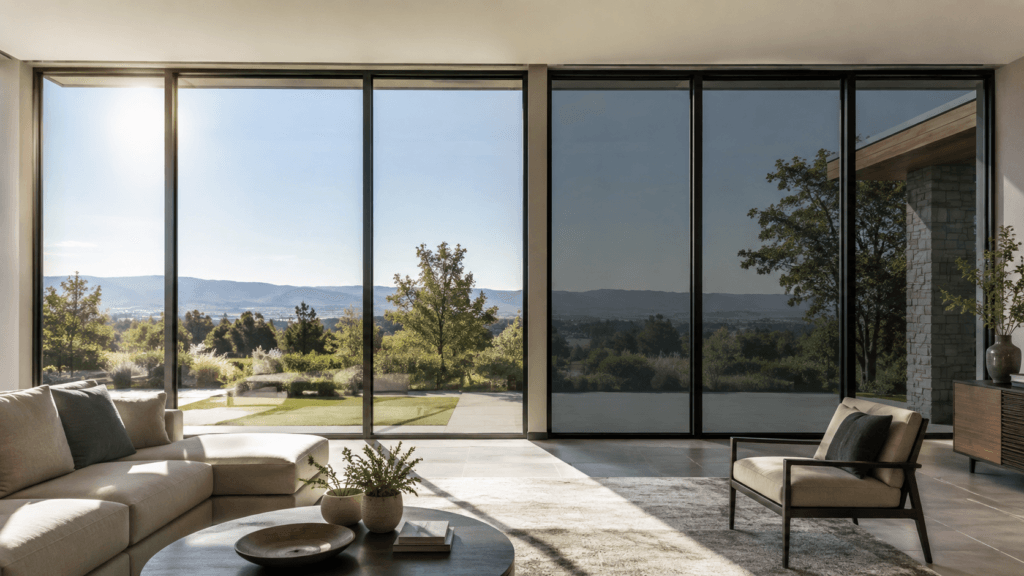
If your goal is simply to reduce afternoon glare, compatible film may be sufficient. If you want glazing that actively changes between clearer and darker states, smart glass is a different category of product to evaluate.
How to Decide Whether Home Window Tinting Makes Sense
Define the exact problem
Is it glare, heat, fading, privacy or a failing window? The answer determines whether film is even the right category of solution.
Identify the existing glazing
Find out whether the window is single-pane or insulated, and whether it includes Low-E glass or special coatings.
Check the warranty
Do this before installation, not after a problem appears.
Review the product data
Ask for visible light transmission, solar heat rejection and product-specific guidance rather than choosing by darkness alone.
Compare film with other solutions
If the window itself is old, leaky or failing, money may be better spent on repairs or replacement.
Use Window Film Deliberately, Not Automatically
Home window tinting can be useful, especially for glare, comfort and privacy. But the right product depends on the specific glass, the actual problem and the warranty implications. When the issue is a failing or inefficient window rather than glare alone, other solutions may be more effective than film.
External references: U.S. Department of Energy guidance on energy-efficient windows, ENERGY STAR storm windows guidance, and 3M residential film warranty information.