
WINDOW FRAME GUIDE
Which Window Frame Material Is Right for Your Home?
Compare common window frame materials and understand how vinyl, aluminum, fiberglass, wood and composite differ in performance, durability and cost.
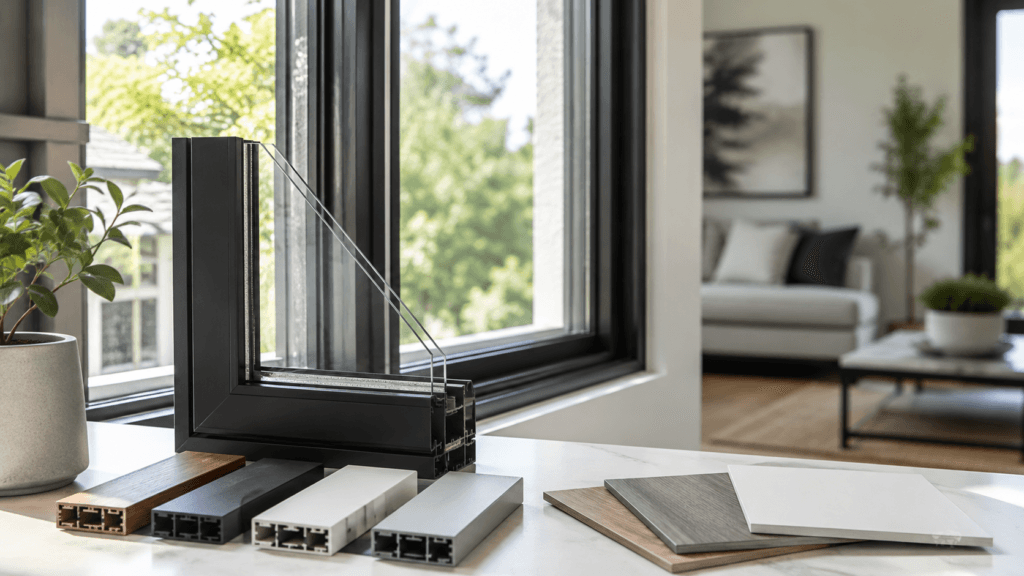
WINDOW FRAME MATERIALS
Compare Common Window Frame Materials
Window frame materials differ in strength, thermal performance, maintenance, appearance and cost. Understanding these differences can help you choose the right material for your home and climate.
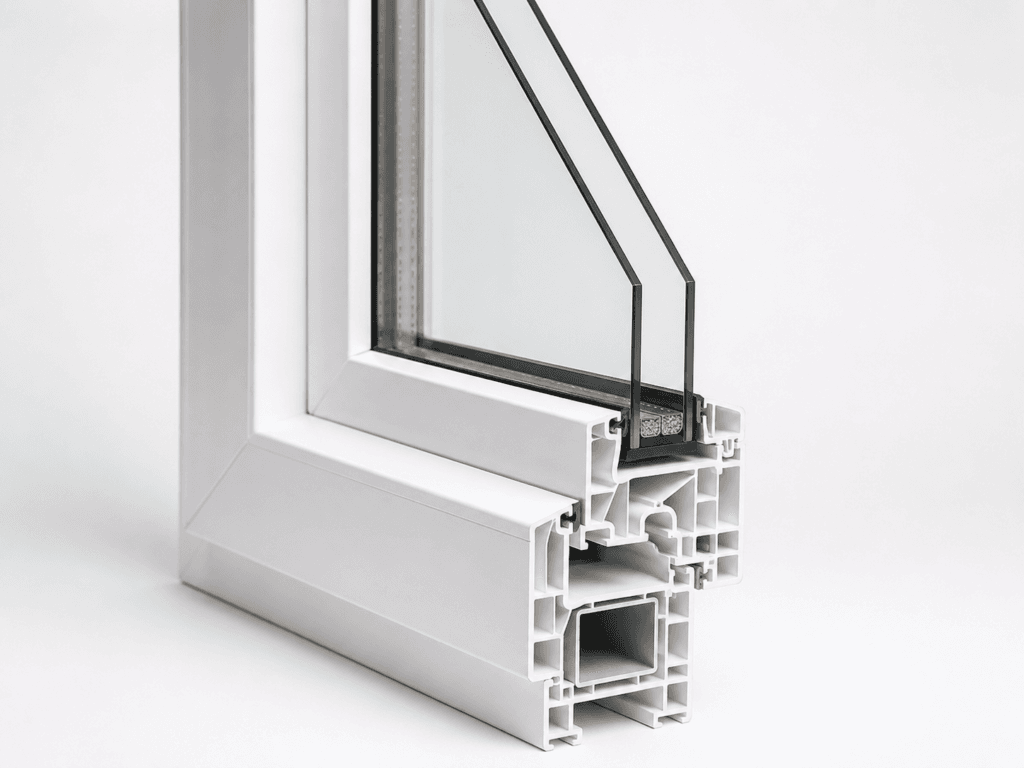
01 – VINYL FRAMES
Vinyl window frames are made from PVC and are one of the most common choices for residential homes. They offer good energy performance, low maintenance and a budget-friendly price point.
BEST FOR
Homeowners looking for an affordable, low-maintenance option for standard residential applications.
GOOD TO KNOW
Vinyl frames do not need painting and resist moisture well, but color choices and structural strength can be more limited than other materials, especially in very large openings.
02 – ALUMINUM FRAMES
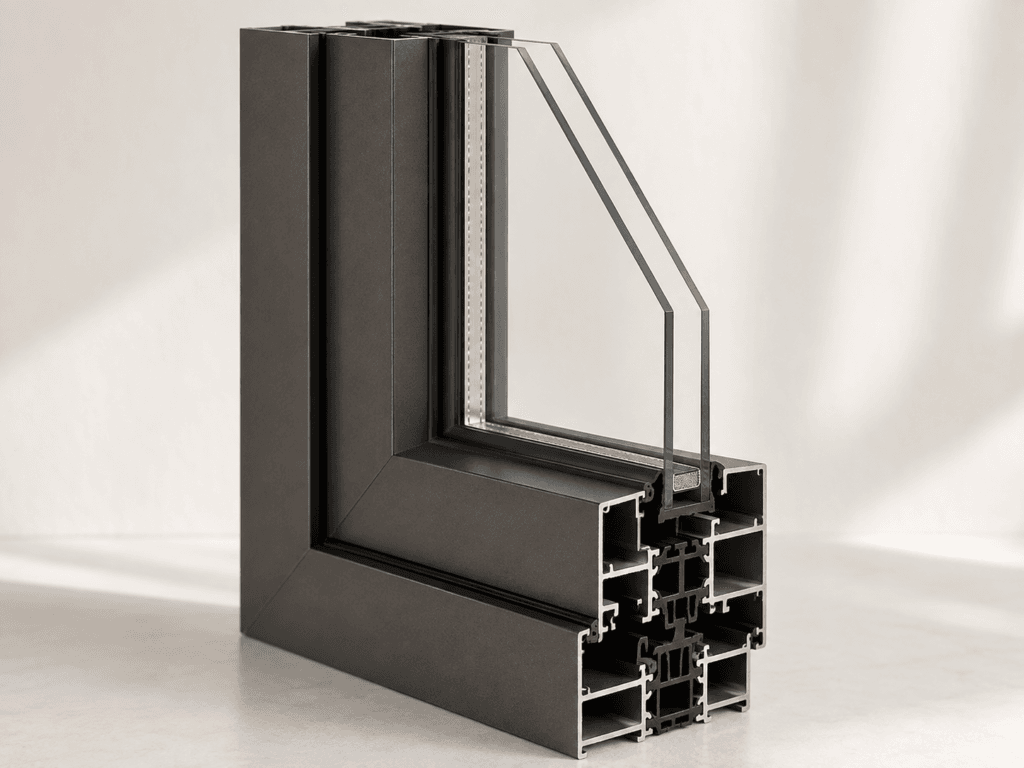
Aluminum window frames are strong, durable and able to support larger glass areas with slimmer profiles than many other frame materials. They are commonly used where clean lines, larger openings and long-term durability are priorities.
BEST FOR
Modern homes, large window openings, coastal or high-exposure locations, and projects where narrow sightlines and structural strength are important.
GOOD TO KNOW
Aluminum conducts heat more readily than vinyl, fiberglass or wood, so energy performance depends heavily on the frame design. Look for thermally broken aluminum frames, which use an insulating barrier between the interior and exterior aluminum sections to reduce heat transfer and condensation.
03 – FIBERGLASS FRAMES
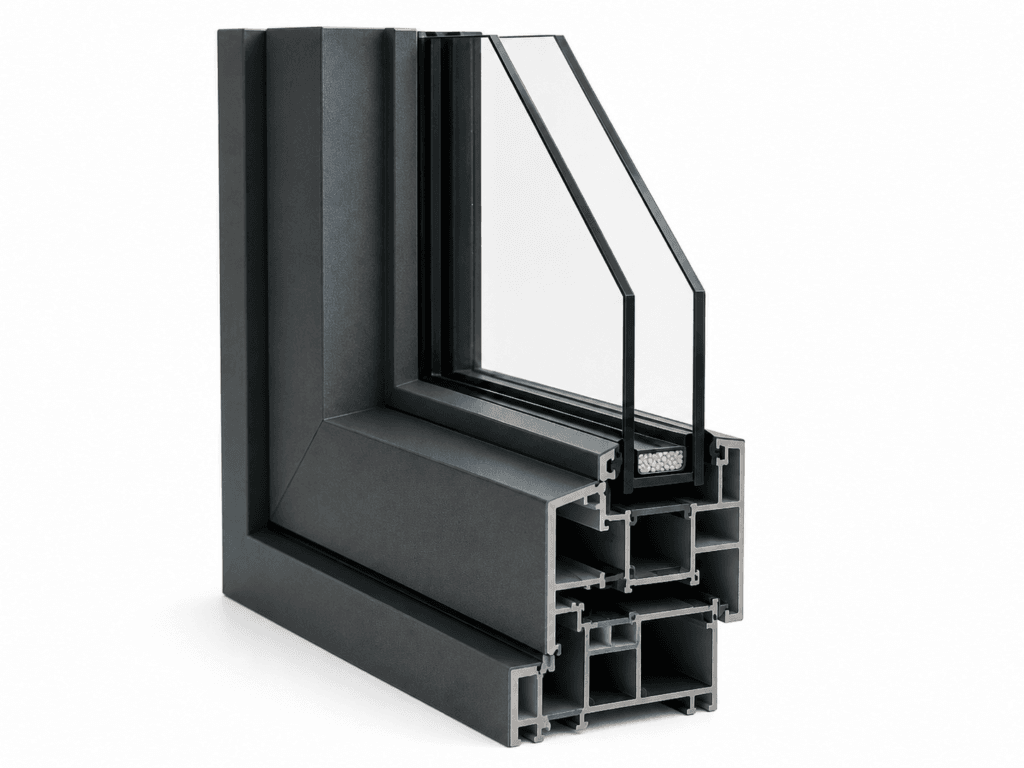
Fiberglass window frames are made from glass-fiber reinforced material that is strong, stable and resistant to expansion and contraction. They offer good energy performance while allowing relatively slim, durable frame profiles.
BEST FOR
Homes in hot, cold or variable climates, larger window openings, and projects where durability, dimensional stability and low maintenance are priorities.
GOOD TO KNOW
Fiberglass generally expands and contracts less than vinyl as temperatures change, which can help maintain long-term fit and performance. It typically costs more than vinyl, but requires little maintenance and many fiberglass products can be painted or finished in different colors.
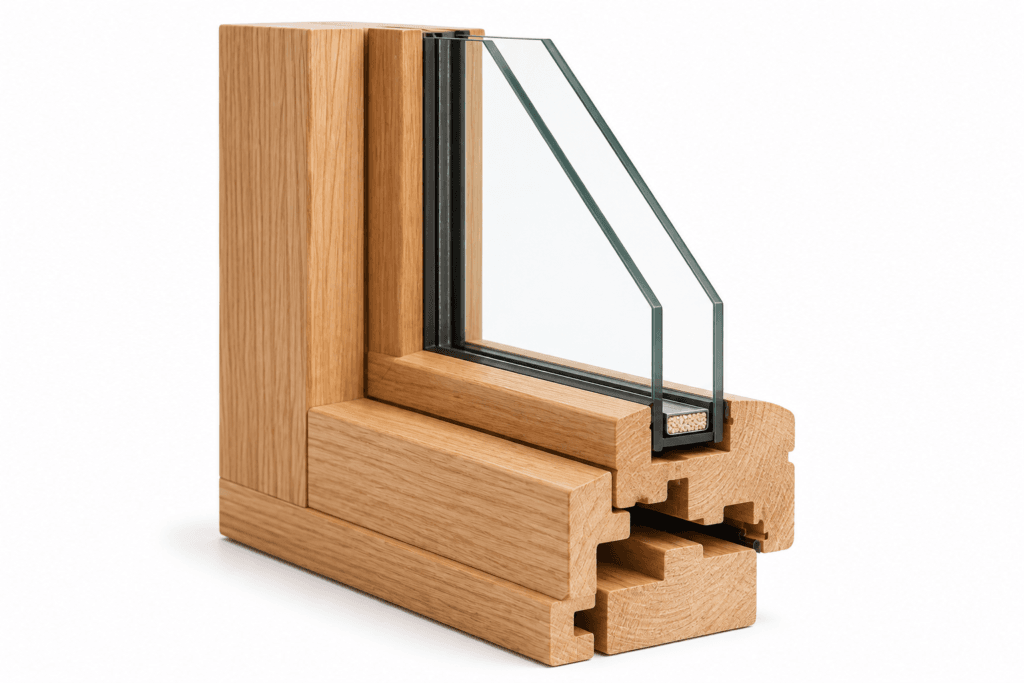
04 – WOOD FRAMES
Wood window frames are made from solid wood and offer a warm, traditional appearance with good natural insulating properties. They can be painted or stained to match a home’s interior and architectural style.
BEST FOR
Traditional homes, custom residences, historic renovations and projects where appearance, craftsmanship and interior finish are priorities.
GOOD TO KNOW
Wood provides good thermal performance but requires more maintenance than vinyl, aluminum or fiberglass. Proper finishing, sealing and periodic upkeep are important to protect it from moisture, rot, insects and weather exposure.
05 – COMPOSITE FRAMES
Composite window frames are made from engineered combinations of materials designed to balance strength, durability, low maintenance and energy performance. Depending on the product, they may include wood fibers, polymers, fiberglass or other reinforced materials.
BEST FOR
Homeowners who want a durable, low-maintenance frame with better dimensional stability than basic vinyl and more design flexibility than traditional wood.
GOOD TO KNOW
“Composite” is a broad category, so construction and performance can vary significantly by manufacturer. Some products use wood-based cores with protective exterior cladding, while others use fiber-reinforced engineered materials throughout. Compare the actual product construction, warranty and performance ratings rather than relying on the composite label alone.
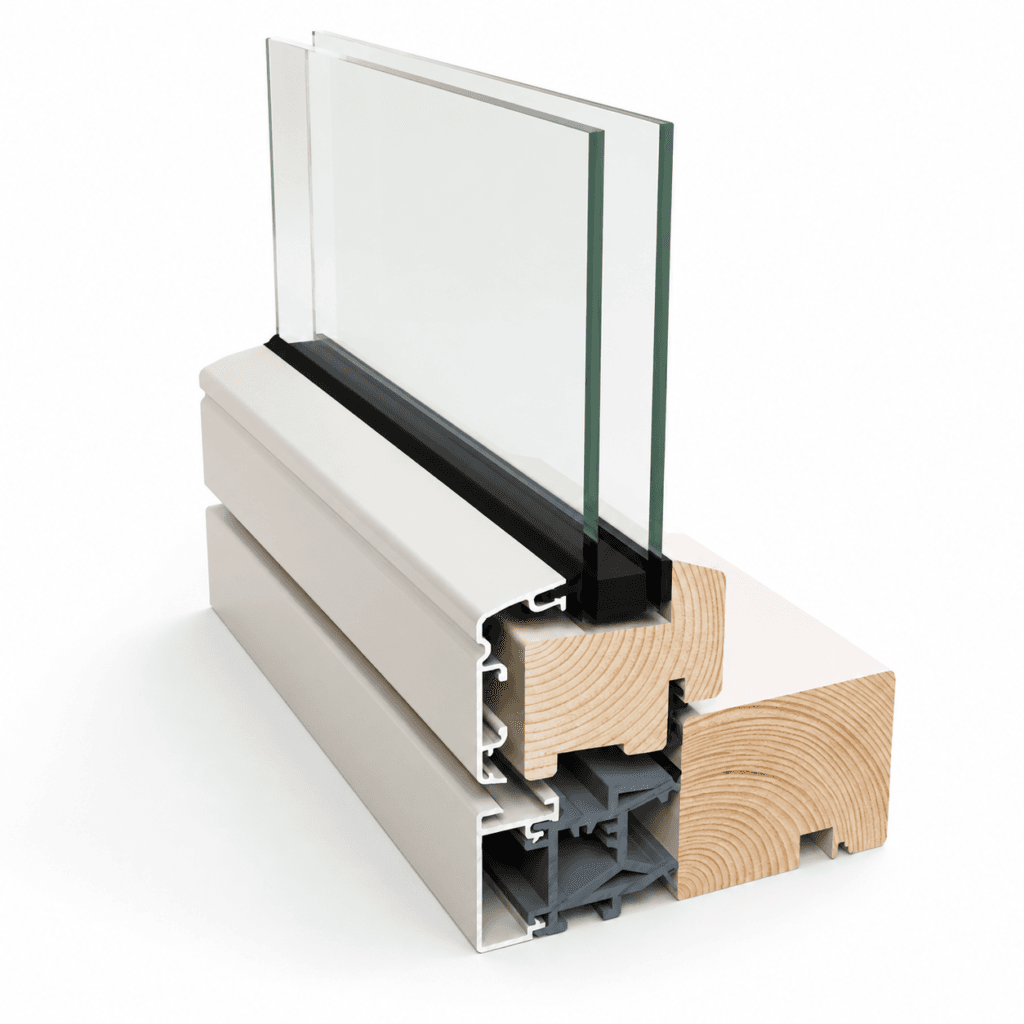
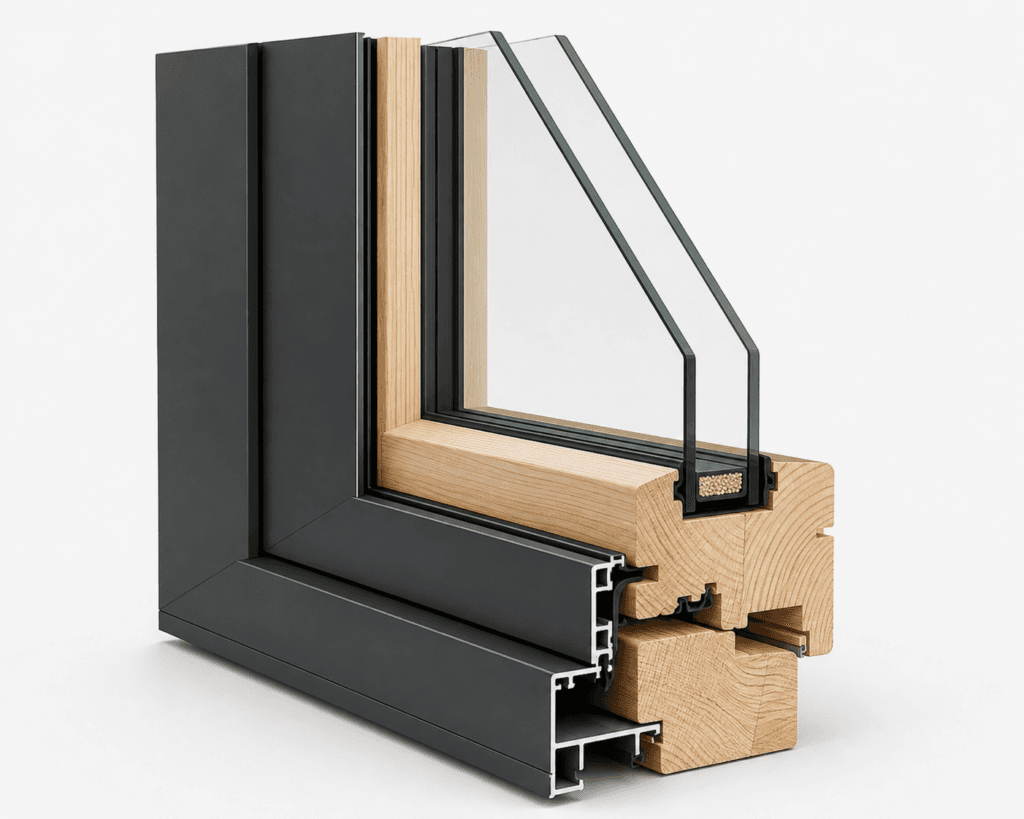
06 – CLAD WOOD FRAMES
Clad wood windows combine a real wood interior frame with a protective exterior layer, typically aluminum, fiberglass or another weather-resistant material. This gives homeowners the warmth of wood inside with less exterior maintenance.
BEST FOR
Custom homes, higher-end renovations and homeowners who want a traditional wood interior appearance without exposing the exterior wood directly to weather.
GOOD TO KNOW
Clad wood windows typically cost more than vinyl, aluminum or fiberglass. Exterior cladding reduces maintenance, but the interior remains real wood and should still be protected from moisture and condensation.
QUICK COMPARISON
Compare Window Frame Materials at a Glance
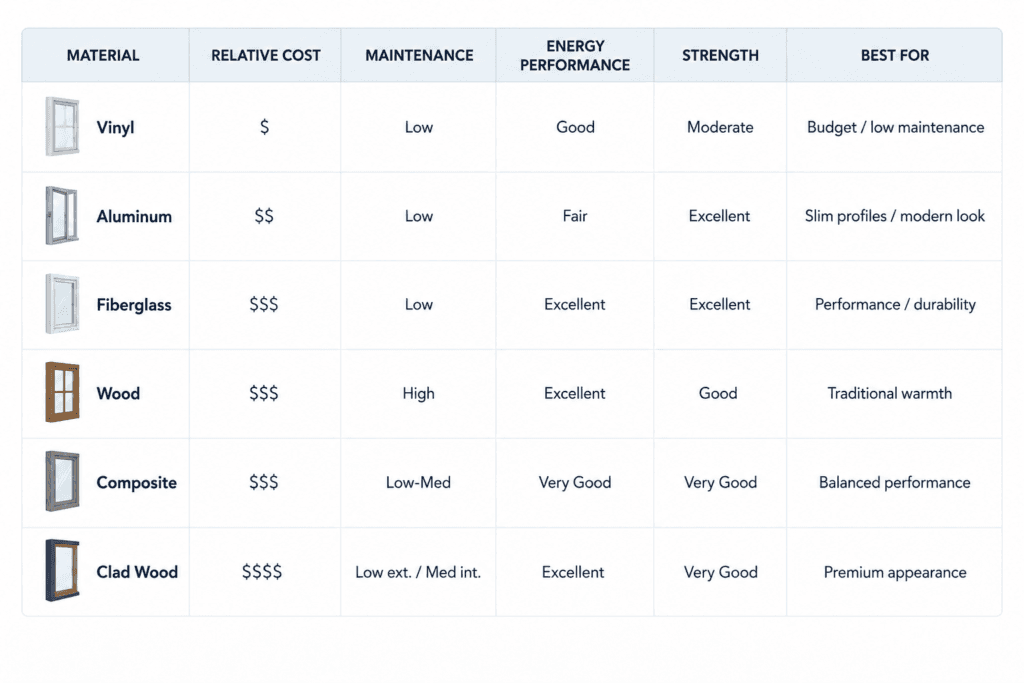
Relative costs and performance ratings are provided for general comparison only. Actual pricing and performance vary based on product design, size, glass, manufacturer, configuration, climate, installation conditions, location, labor and project requirements.