
WINDOW TYPES GUIDE
Which Window Type Is Right for Your Home?
Compare the most common types of windows and learn how each style operates, where it works best and what to consider before choosing.
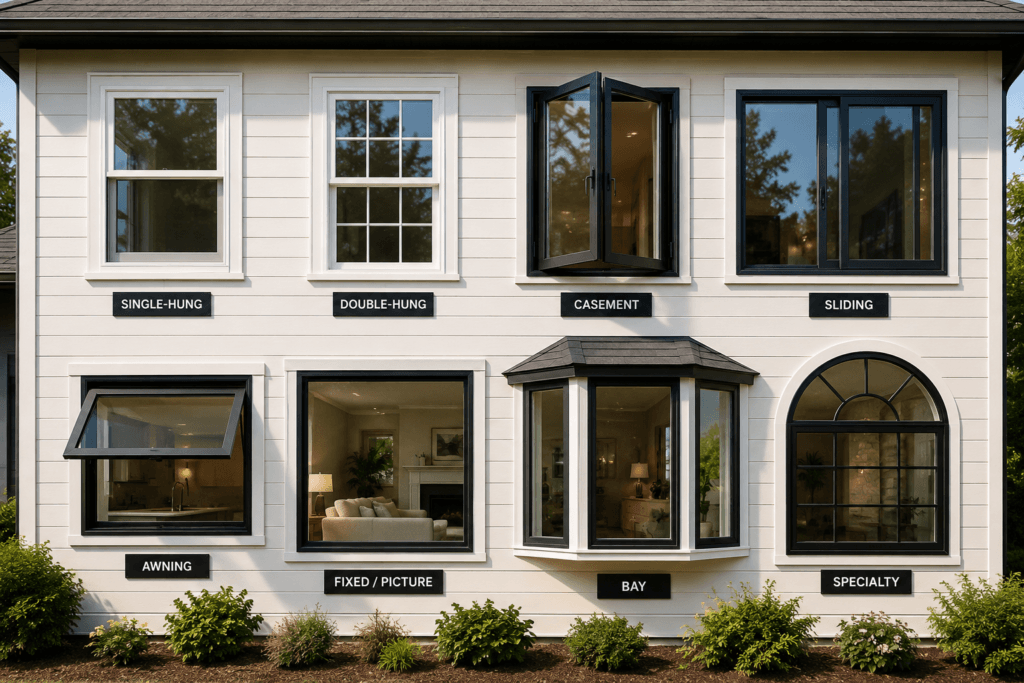
WINDOW TYPES
Compare Common Residential Window Syles
Windows differ in how they open, ventilate, seal and fit into a home. Start by understanding the most common styles and where each one works best.
01 – SINGLE HUNG WINDOWS
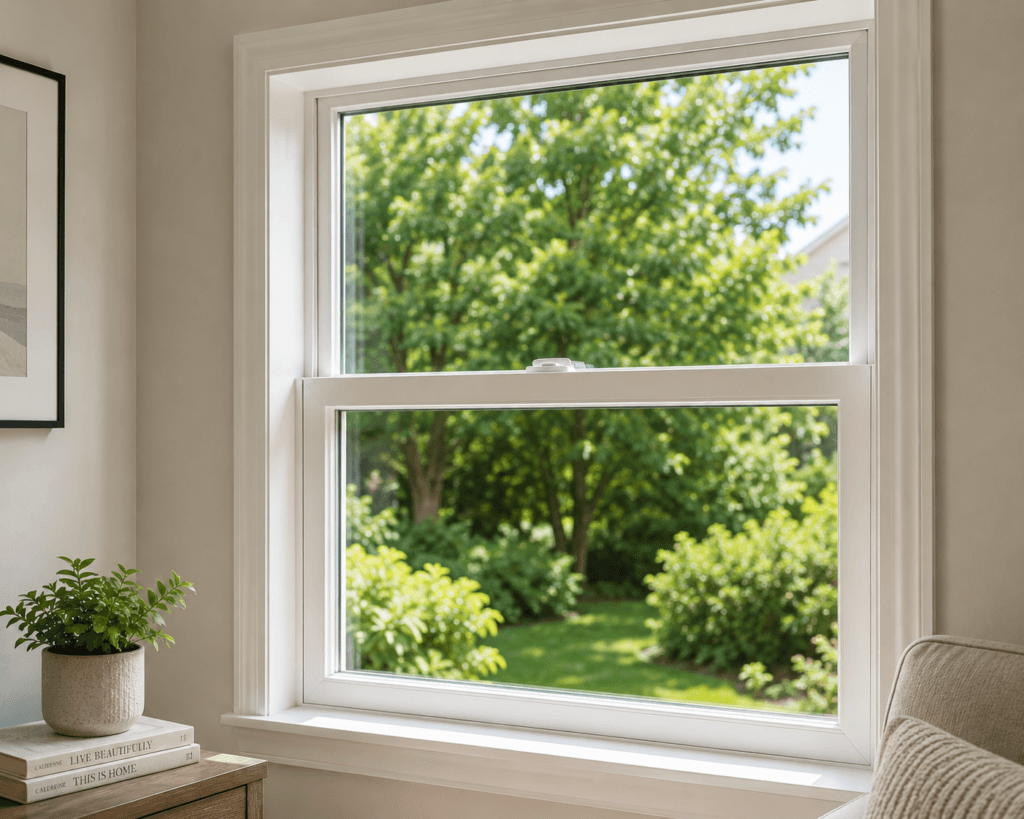
A single-hung window has two sashes, but only the bottom sash moves. The lower sash slides vertically while the upper sash remains fixed.
BEST FOR
Bedrooms, living areas, rentals and projects where simplicity and cost are priorities.
GOOD TO KNOW
Simple operation and fewer moving parts typically make single-hung windows one of the more affordable window styles.
02 – DOUBLE HUNG WINDOWS
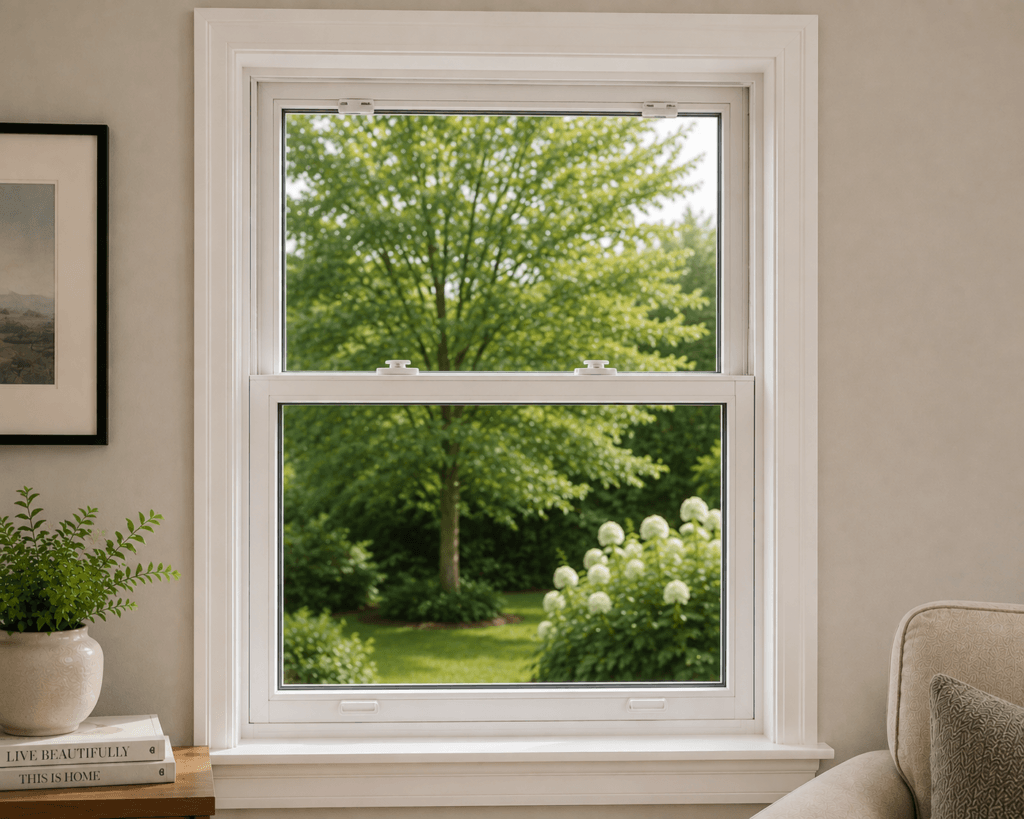
A double-hung window has two operable sashes. Both the upper and lower sashes slide vertically, giving you more control over ventilation and making many models easier to clean.
BEST FOR
Bedrooms, living areas, multi-story homes and projects where flexible ventilation and easier cleaning are priorities.
GOOD TO KNOW
Double-hung windows offer more ventilation options than single-hung windows, but typically cost more because both sashes are operable.
03 – CASEMENT WINDOWS
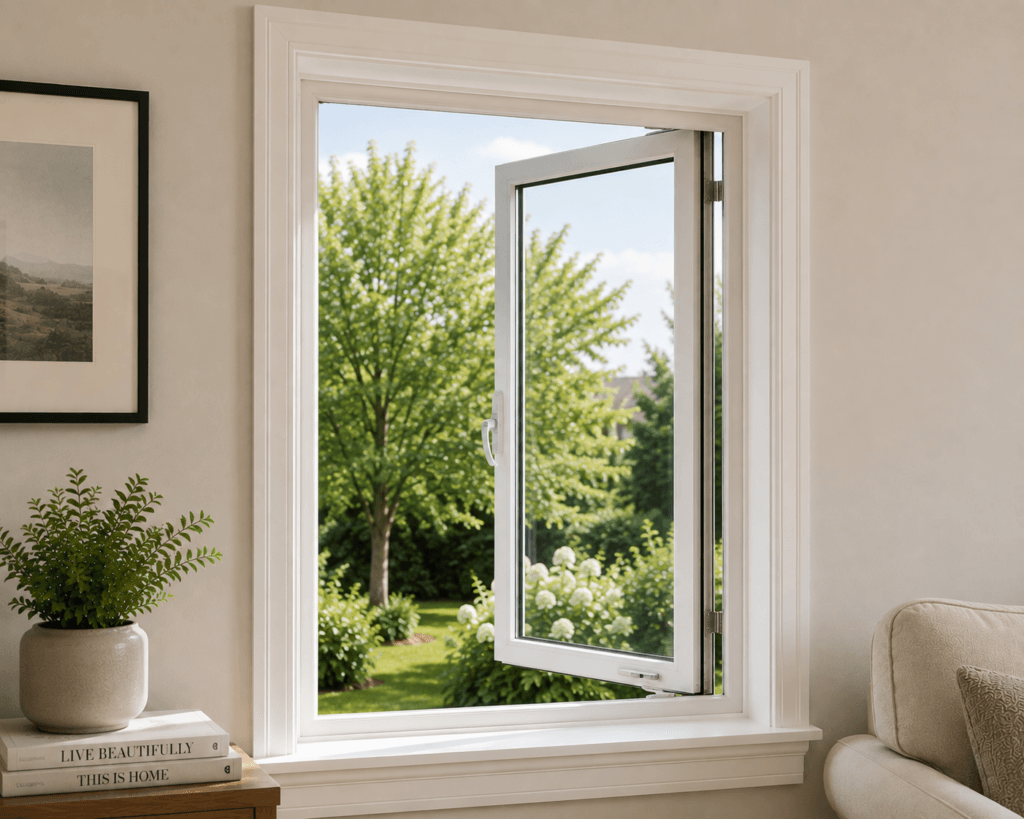
A casement window is hinged along one side and swings outward, typically using a crank or handle. When closed, the sash presses tightly against the frame, creating a strong weather seal.
BEST FOR
Bedrooms, kitchens, living areas and locations where ventilation, unobstructed views and energy efficiency are priorities.
GOOD TO KNOW
Casement windows can provide excellent ventilation because the open sash can help catch and direct outside air into the home. They also require clear exterior space to swing open.
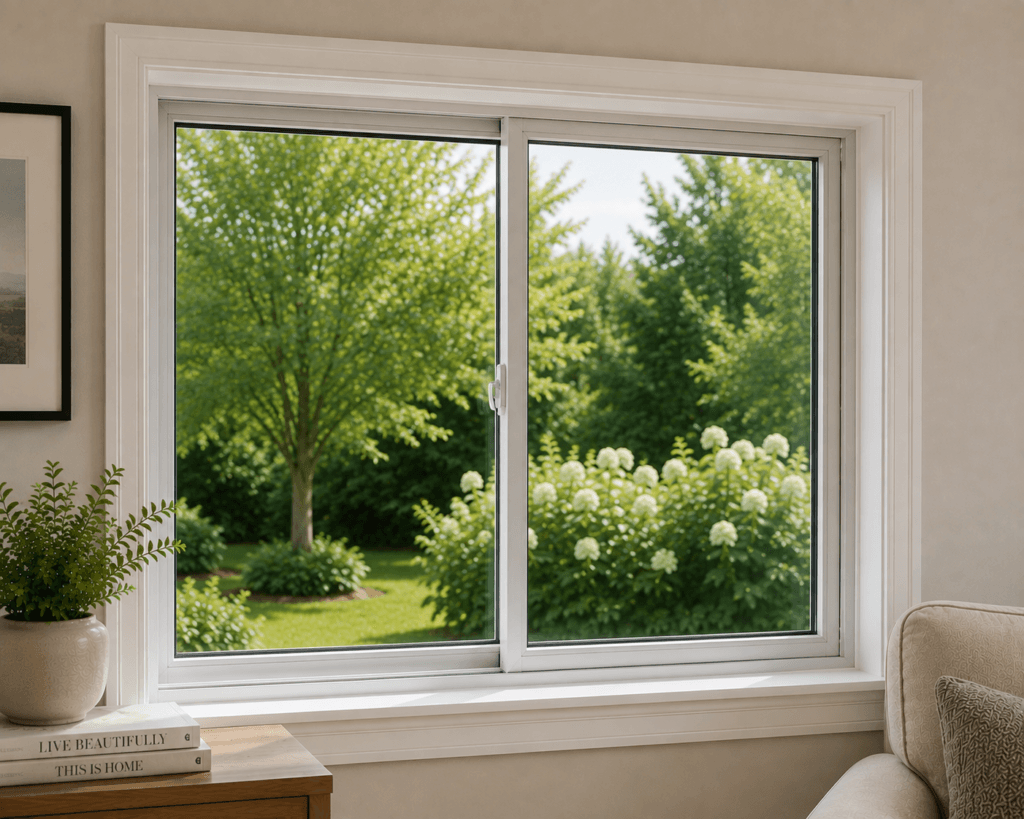
04 – SLIDING WINDOWS
A sliding window has one or more sashes that move horizontally along a track. They are simple to operate and can provide a wide view without requiring any interior or exterior swing space.
BEST FOR
Bedrooms, living areas, openings that are wider than they are tall, and locations where easy operation is a priority.
GOOD TO KNOW
Sliding windows are simple and practical, but the overlapping sashes and tracks can provide a slightly less airtight seal than compression-style windows such as casements.
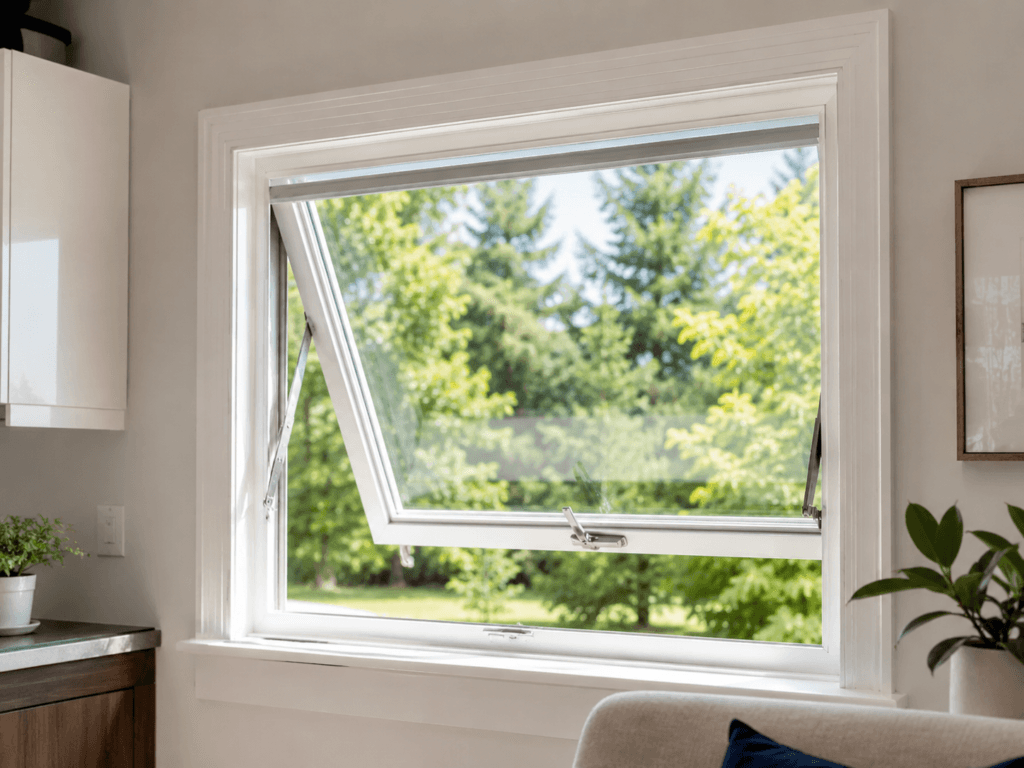
05 – AWNING WINDOWS
An awning window is hinged at the top and opens outward from the bottom. This allows ventilation while the sash helps shield the opening from light rain.
BEST FOR
Bathrooms, kitchens, basements and locations where ventilation is needed while maintaining privacy or weather protection.
GOOD TO KNOW
Awning windows provide good ventilation and typically seal tightly when closed. Because they project outward, make sure there is adequate exterior clearance.
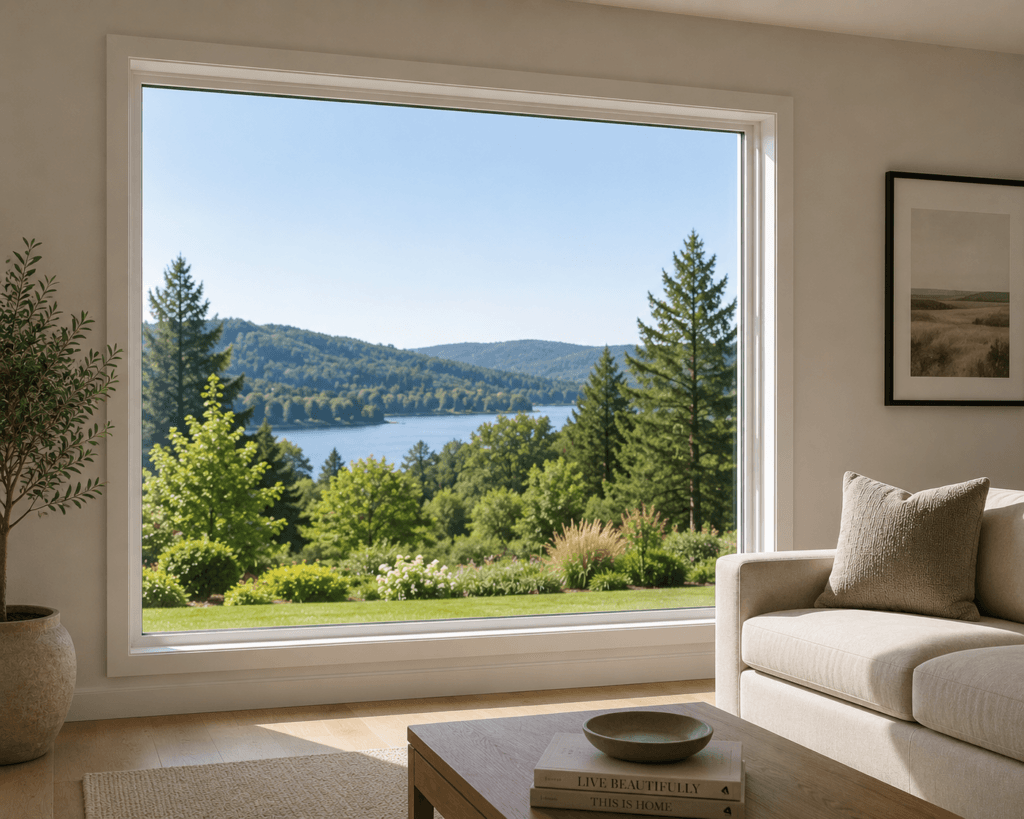
06 – FIXED / PICTURE WINDOWS
A fixed or picture window does not open. Its primary purpose is to provide natural light, an unobstructed view and a simple, airtight window opening.
BEST FOR
Living rooms, stairwells, high walls and locations where daylight and views are more important than ventilation.
GOOD TO KNOW
Because there are no operable sashes or moving hardware, fixed windows can provide excellent air and water performance and are often more energy-efficient than operable window types.
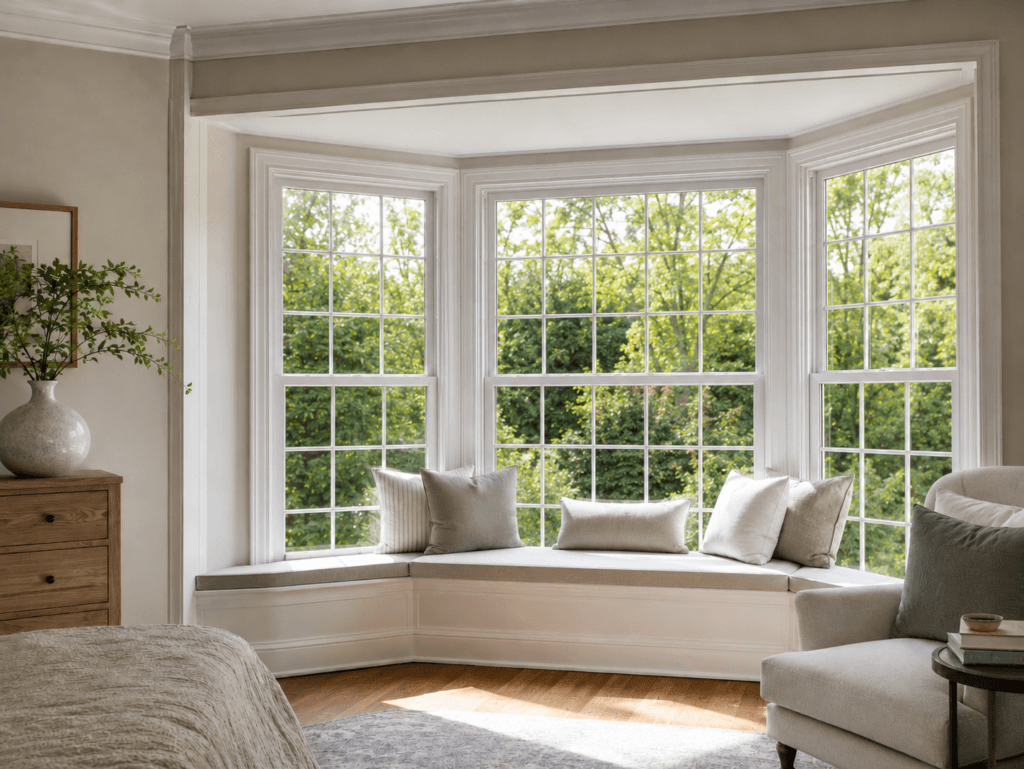
07 – BAY & BOW WINDOWS
Bay and bow windows project outward from the exterior wall, creating additional interior space and wider views. Bay windows typically use three sections, while bow windows use four or more panels to create a softer curve.
BEST FOR
Living rooms, dining areas, front elevations and spaces where you want more daylight, a broader view and added architectural character.
GOOD TO KNOW
Because they extend beyond the wall, bay and bow windows are more complex to frame, flash and support than standard flat windows. They also typically cost more due to their size and installation requirements.
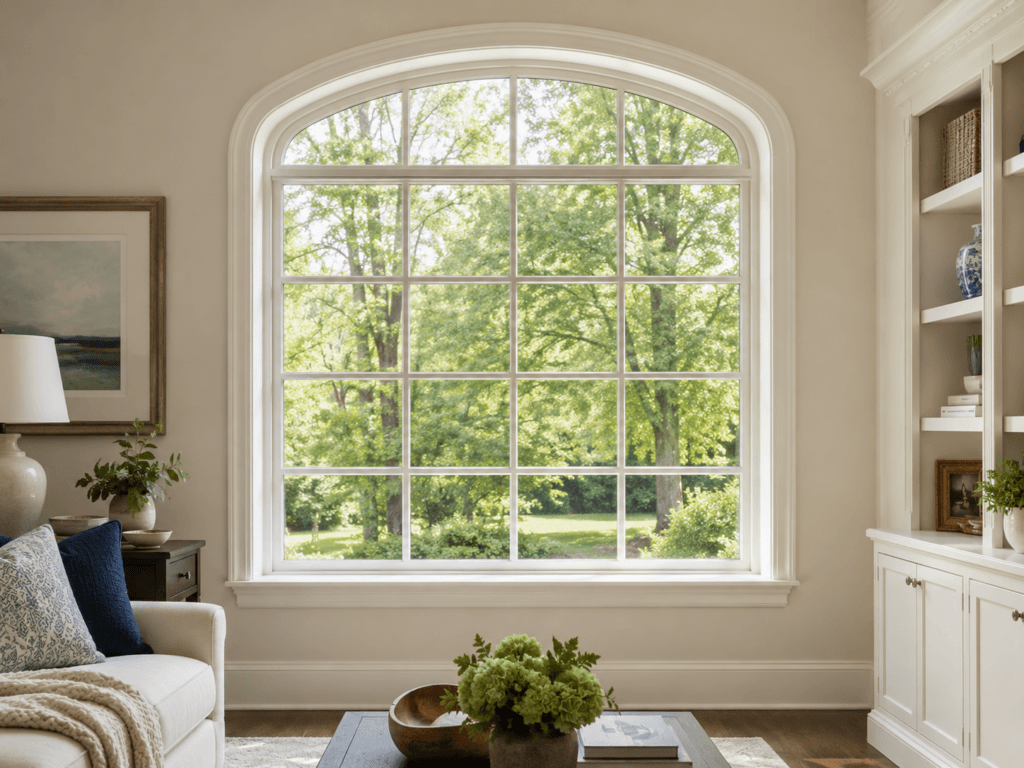
08 – SPECIALTY WINDOWS
Specialty windows use custom shapes or configurations that go beyond standard rectangular window styles. Common examples include arches, circles, triangles, trapezoids and other architectural shapes.
BEST FOR
Entry areas, stairwells, vaulted spaces, accent walls and locations where architectural character or a unique opening shape is important.
GOOD TO KNOW
Specialty windows are often fixed, but some can be operable depending on the shape and manufacturer. Custom sizes and shapes typically cost more and may have longer lead times than standard windows.
QUICK COMPARISON
Compare Window Types at a Glance
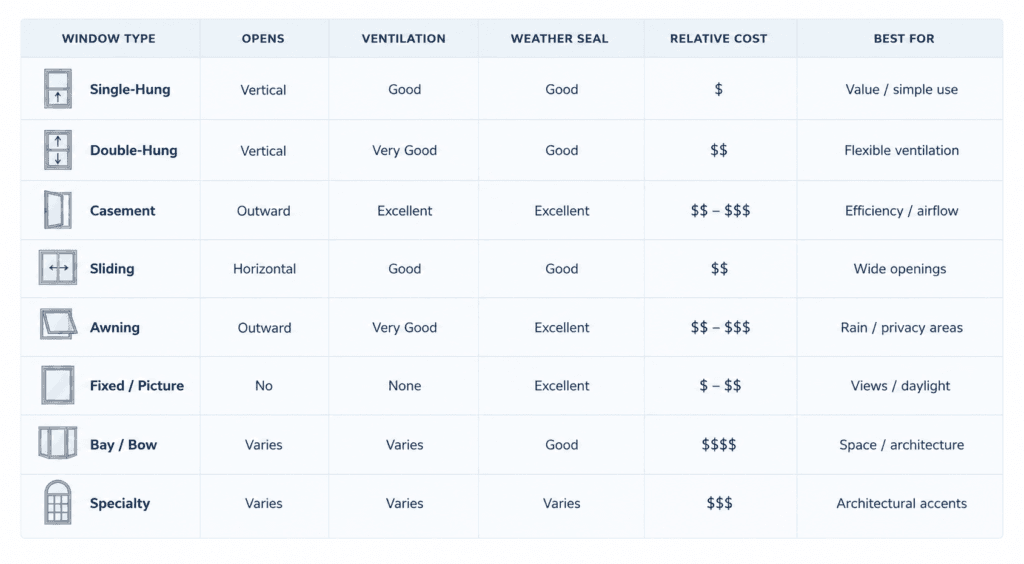
Relative costs are provided for general comparison only. Actual pricing varies based on size, material, glass, manufacturer, configuration, installation conditions, location, labor and project requirements.